


| Issue |
OCL
Volume 33, 2026
Palm and palm oil / Palmier et huile de palme
|
|
|---|---|---|
| Article Number | 25 | |
| Number of page(s) | 10 | |
| DOI | https://doi.org/10.1051/ocl/2026017 | |
| Published online | 21 juillet 2026 | |
Research article
Environmental, energy, and economic evaluation of conventional and dry ice cleaning technologies in Malaysian palm oil mill☆
Faculty of Plantation and Agrotechnology, Universiti Teknologi MARA, Melaka Branch, Jasin Campus, 77300 Merlimau, Melaka, Malaysia
* Corresponding author: Cette adresse e-mail est protégée contre les robots spammeurs. Vous devez activer le JavaScript pour la visualiser.
Received:
15
October
2025
Accepted:
17
June
2026
Abstract
Palm oil mills are pivotal to Malaysia’s palm oil industry, producing both crude palm oil (CPO) and palm kernels, and are increasingly influenced by environmental and regulatory frameworks such as the Roundtable on Sustainable Palm Oil (RSPO) and Malaysia Sustainable Palm Oil (MSPO). This study evaluates cleaning technologies in Malaysian palm oil mills by comparing conventional and dry ice cleaning methods, with a particular focus on three dimensions of sustainability: environmental impact, energy efficiency, and cost. The dry ice cleaning method demonstrated superior environmental performance, achieving lower mean values of biochemical oxygen demand (BOD) and total suspended solids (TSS) by 17.01% and 14.30%, respectively. However, conventional cleaning consumed significantly less energy (17.37 MJ m⁻2) than dry ice cleaning (58.37 MJ m⁻2), representing a 70.24% reduction in energy use. Cleaning costs were also reduced by 28.67%. Based on on-site observations, the dry ice cleaning method has the potential to improve workplace safety by effectively removing residues that could cause slip hazards or fire risks. These findings provide practical insights for stakeholders in optimizing and selecting appropriate mill cleaning technologies.
Résumé
Évaluation environnementale, énergétique et économique de technologies de nettoyage conventionnel et par glace carbonique dans les huileries de palme malaisiennes. Les huileries de palme jouent un rôle central dans l’industrie de l’huile de palme en Malaisie, en produisant à la fois de l’huile de palme brute (CPO) et de palmiste. Elles sont de plus en plus concernées par les exigences environnementales et réglementaires portées notamment par la Roundtable on Sustainable Palm Oil (RSPO) et la certification Malaysia Sustainable Palm Oil (MSPO). Cette étude évalue les technologies de nettoyage utilisées dans les huileries de palme malaisiennes en comparant les méthodes conventionnelles et le nettoyage par glace carbonique, avec une attention particulière portée à trois dimensions de la durabilité : l’impact environnemental, l’efficacité énergétique et les coûts. La méthode de nettoyage par glace carbonique a présenté de meilleures performances environnementales, avec des valeurs moyennes de BOD (Biochemical oxygen demand) et de TSS (Total suspended solids) inférieures de respectivement 17.01% et 14.30% à celles observées avec la méthode conventionnelle. En revanche, le nettoyage conventionnel s’est révélé nettement moins énergivore, avec une consommation de 17,37 MJ m⁻2 contre 58,37 MJ m⁻2 pour le nettoyage par glace carbonique, soit une réduction de 70.24% de la consommation énergétique. Les coûts de nettoyage étaient également inférieurs de 28.67% avec la méthode conventionnelle. Par ailleurs, les observations réalisées sur site indiquent que le nettoyage par glace carbonique pourrait contribuer à améliorer la sécurité au travail grâce à son efficacité dans l’élimination des résidus susceptibles de provoquer des risques de glissade ou d’incendie. Ces résultats apportent des éléments utiles aux acteurs de la filière pour optimiser et sélectionner les technologies de nettoyage les plus adaptées aux huileries de palme.
Key words: energy consumption / mill cleaning technologies / palm oil / sustainable plantation
Mots clés : consommation énergétique / technologies de nettoyage des huileries / huile de palme / plantation durable
Contribution to the Topical Issue: “Palm and palm oil / Palmier et huile de palme”.
© A. Nordin Md Arif and D. El Pebrian, Published by EDP Sciences, 2026
 This is an Open Access article distributed under the terms of the Creative Commons Attribution License (https://creativecommons.org/licenses/by/4.0), which permits unrestricted use, distribution, and reproduction in any medium, provided the original work is properly cited.
Highlights
Conventional cleaning is more energy- and cost-efficient, achieving 70.24% energy savings and a 28.67% cost reduction.
Dry ice cleaning provides environmental and safety benefits, including reduced biochemical oxygen demand and wastewater, and lower hazard risks.
Industrial adoption of dry ice cleaning faces challenges related to cost, energy use, and operational requirements.
1 Introduction
Oil palm remains a key contributor to Malaysia’s agricultural sector and continues to play a vital role in supporting the national economy. As the country maintains its position as the world’s second-largest producer of palm oil, Malaysian palm oil mills are central to the production of both palm kernel and CPO, while simultaneously advancing environmental sustainability. Within these mills, fresh fruit bunches (FFB) are processed into CPO, which serves as a crucial raw material for a diverse range of products in both domestic and international markets. However, the milling process also generates palm oil mill effluent (POME), a by-product that can pose environmental challenges if not properly managed. Consequently, palm oil mills are increasingly incorporating waste management systems alongside the oil extraction process. To minimize environmental impact, many mills have implemented sustainable practices such as the reuse of POME as organic fertilizer applied to plantation soils (Lee and Ofori-Boateng, 2013), demonstrating the industry's commitment to eco-friendly operations.
A key strategy to reduce waste in palm oil mills is the implementation of cleaner production practices. Cleaner production involves optimizing the use of water, chemicals, and energy to minimize the generation of waste and emissions (Sinbuathong and Sillapacharoenkul, 2021). Beyond environmental benefits, cleaner production also enhances operational efficiency. By streamlining processes and adopting energy-efficient technologies, mills can reduce energy consumption and operating costs. Moreover, cleaner production emphasizes pollution prevention at the source, reducing reliance on extensive waste treatment and disposal systems.
Cleaner production in palm oil mills encompasses not only efficient processing but also the consistent implementation of good housekeeping practices. These practices, including regular and effective cleaning activities within the mill, play a crucial role in improving environmental performance. One of the most notable impacts is the reduction of POME generation. For instance, a well-managed mill can produce as little as 2.5 m³ of POME per ton of CPO, equivalent to approximately 0.5 m³ per ton of FFB, compared to the national average of 3.5 m³ per ton of CPO or 0.7 m³ per ton of FFB (Singh, 2010). This clearly demonstrates the potential of improved operational and housekeeping practices to minimize water usage and waste output.
Traditionally, palm oil mills have relied on conventional cleaning methods that involve substantial water and chemical use to remove accumulated grease, oil, fiber, and other residues from processing equipment. (Dominic and Baidurah, 2022). These methods typically require manual labor and tools such as scrapers, hoses, hot water jets, and chemical degreasers. Daily cleaning routines are standard, with more intensive deep cleaning carried out annually by specialized teams including supervisors and operational staff. Although effective in maintaining hygiene and operational efficiency, this approach is highly resource-intensive and significantly contributes to POME generation. In the broader context of palm oil milling operations, such practices increase water consumption, labor demand, and wastewater management requirements, thereby adding operational costs and environmental pressures.
Advances in industrial cleaning technologies have increasingly emphasized sustainability, operational efficiency, and reduced environmental impacts, drawing attention as part of cleaner production strategies. Among these technologies, dry ice cleaning through dry ice blasting has emerged as an efficient and environmentally friendly method. This technique utilizes solid carbon dioxide (CO₂) pellets at –78.5 °C, propelled by compressed air, to remove contaminants from surfaces. The pellets are typically produced from recycled CO₂ captured as by-products of industrial processes such as ammonia, ethanol, and oil and gas production (Spur, 1999). Recent studies have reported that dry ice blasting effectively removes contaminants without generating secondary waste streams, as the pellets sublimate upon impact (Máša et al., 2021; Dzido and Krawczyk, 2023). Moreover, this method can reduce cleaning time and operational emissions compared with conventional solvent-based cleaning systems (Godina et al., 2020).
Sustainability assessments in palm oil mill operations have also been reported in previous studies. For instance, Djarot et al. (2024) reviewed POME treatment technologies and highlighted a broad range of sustainable approaches, from bioremediation using microalgae to integrated membrane systems, addressing environmental concerns while bolstering the economic potential of the palm oil industry. Relatedly, Junaidi et al. (2025) examined the techno-economic and Environmental, Social, and Governance (ESG) dimensions of implementing Zero Liquid Discharge (ZLD) systems for POME treatment, providing insights into the feasibility and sustainability implications of advanced effluent management strategies. In an earlier study, Sapie et al. (2019) assessed POME discharge quality across different mills and concluded that composting is the most effective and economical method for POME management.
Despite these advances, a notable research gap remains in evaluating and comparing dry ice cleaning with conventional methods in terms of environmental impact, energy use analysis, and economic feasibility. In the oil palm industry, adopting improved cleaning technologies can help mills enhance operational efficiency while supporting sustainability commitments. By exploring alternative approaches, mills can select methods that align with environmental performance objectives and regulatory requirements, such as those established by the RSPO and the MSPO certification schemes.
Therefore, this study aims to evaluate cleaning technologies in Malaysian palm oil mills by comparing conventional and dry ice cleaning methods. The assessment focuses on three key sustainability dimensions: environmental impact, energy use efficiency, and cost analysis. By providing comparative analysis, the study offers a clear understanding of each method, enabling oil palm industry stakeholders to make informed decisions regarding the adoption of more sustainable cleaning technology.
2 Materials and methods
2.1 Study area
The study was conducted during actual routine cleaning operations in the Sua Betong Palm Oil Mill located in Port Dickson, Negeri Sembilan, Malaysia. The mill is owned and operated by SD Guthrie, one of the world’s leading palm oil producers and a key player in the Malaysian palm oil industry. Certified under the RSPO, the mill has a capacity of 60 tons per day and demonstrates a strong commitment to sustainable production practices. Additionally, it houses a 1.2 MW biogas power plant, which is likely fueled by POME, showcasing the integration of renewable energy initiatives within its operations. Cleaning at palm oil mills typically involves using water and sometimes chemicals to wash equipment and surfaces. In this study, conventional cleaning refers to water-based cleaning methods used in mill operations, whereas dry ice cleaning refers to the dry ice blasting technique, in which dry ice pellets are propelled at high velocity using compressed air to remove contaminants and residues from surfaces. Figures 1 and 2 show the flowcharts of conventional cleaning methods and dry ice cleaning methods, respectively. In this study, three primary parameters were assessed to compare conventional water-based and dry ice cleaning technologies used in palm oil mills: environmental impact, energy consumption analysis, and cost analysis.
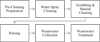 |
Fig. 1 Flow chart of conventional cleaning method. |
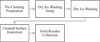 |
Fig. 2 Flow chart of dry ice cleaning method. |
2.2 Environmental impact assessment
As data collection of this study was conducted during actual routine cleaning operations, the environmental impact assessment was limited to parameters that are commonly monitored during operational evaluations in the Malaysian palm oil mill context. Accordingly, biochemical oxygen demand (BOD), total suspended solids (TSS), and total nitrogen (TN) were measured from effluent samples collected from the POME pond. These parameters are widely used indicators for assessing POME quality in operational monitoring. Chemical oxygen demand (COD) was not included in this study because it is not currently a mandatory parameter in the discharge standards for palm oil mill effluent in the Malaysian palm oil mill, as reported by Khong (2017) and Lee (2019).
The palm oil mill area of 1529 m2, which served as the study plot, was divided into three sub-plots, and one effluent sample was collected from each sub-plot. These samples served as spatial replicates, representing different sections of the cleaning area and allowing the variability of effluent characteristics to be assessed across the study plot. Given the large area of the mill, using three samples is a commonly adopted practice in environmental monitoring and industrial process studies, as it provides representative mean values and allows estimation of measurement variability while remaining practical under operational field conditions.
Sampling was conducted before and after the application of each cleaning method, enabling a direct comparison of effluent quality between conventional cleaning and dry ice cleaning. Effluent samples of 1–2 L were collected from designated sampling points at the inlet of the effluent ponds using clean sampling dippers. The retention time of the effluent ponds was also considered when scheduling the sampling, with samples collected 30–60 min after cleaning to ensure that the measured parameters captured the immediate effects of each cleaning method.
All samples were stored in sterile, airtight polyethylene bottles, kept at ∼4°C in insulated containers, and transported to the laboratory within 24 h under cold-chain conditions. Samples were analyzed following APHA Standard Methods: BOD (5210), TSS (2540), and TN using standard digestion procedures. Quality assurance and control measures included equipment cleaning prior to sampling, duplicate sample collection, and calibration of laboratory instruments.
To ensure that the measured values are not influenced by the previous cleaning method, several precautions were implemented. First, a washout period of 1–2 weeks between switching cleaning methods allowed the system to fully transition and stabilize, minimizing any residual effects. Second, a baseline was established by collecting multiple palm oil mill effluent samples over several days prior to each new cleaning method, providing a stable reference point and helping to identify trends or variations attributable to the previous technique. In addition, process parameters and mill operations were closely monitored during the sampling period to detect any external factors that could affect POME composition.
All samples were analyzed in the laboratory following standard analytical procedures to ensure the accuracy and consistency of the measured parameters. Descriptive statistics were used to compare the mean values of the measured parameters.
2.3 Energy use efficiency analysis
Energy use was analyzed by evaluating both the energy inputs and outputs associated with each cleaning method. The study quantified the inputs used during the cleaning operation, as indicated in Table 1. As previously mentioned, the cleaning operation covered an area of 1529 m 2. Each cleaning operation was carried out over 8 h per day. Conventional cleaning involved 8 workers, while the dry ice cleaning employed 6 workers. The entire process spanned 26 days, resulting in a total of 1664 working hours for conventional cleaning and 1248 working hours for dry ice cleaning. The energy equivalent of water reported for irrigation by Sayin et al. (2005) was adopted as a reference for water in conventional cleaning, since both activities involve the direct application of water. To our knowledge, no previous studies have reported energy equivalents specifically for water in cleaning processes.
The energy equivalent in MJ per hectare was determined by multiplying the quantity of each input used per cleaned mill area by its respective energy equivalent in MJ per unit and then dividing the result by the total cleaned area in hectares. The total energy input per hectare was then obtained by summing all the calculated individual energy inputs and then converting the total into MJ per square meter (MJ m− 2).
Energy equivalents of inputs.
2.4 Cost analysis
To determine the cost of cleaning activities at a palm oil mill, several key components must be considered, including preliminaries, labor, equipment, materials, and energy usage. A thorough analysis of the methodology used for calculating these costs is essential to ensure accuracy and consistency.
Preliminaries cost (PC), expressed in RM m−2, was calculated based on the expenditure incurred for essential activities that had to be completed before the main cleaning work of the project could begin. Labor cost is calculated based on the number of workers involved, their hourly wage rates, and the total hours worked. This involves identifying the total number of workers engaged in the cleaning operations, determining the wage rate for each, and multiplying by the total hours of labor. The equation (1) was used in the labor cost computation.
 (1)
(1)
where LC is labor cost (RM), NW is number of workers (dimensionless), HW is hourly wage (RM h−1), and THW is total hours worked (h).
Equipment costs encompass depreciation, maintenance, and operational expenses related to the machinery used, such as compressors, dry ice blasting machines, and other cleaning tools. To estimate these costs, the annual depreciation of each piece of equipment should be divided by the total number of working days to derive a daily depreciation rate. This figure is then combined with daily maintenance expenses and fuel or electricity costs required to operate the equipment. The equation (2) was used in the labor cost computation.
 (2)
(2)
where EC is equipment cost (RM), AD is annual depreciation (RM year−1), WD is working days per year (days year−1), DMC is daily maintenance cost (RM day−1), DOC is daily operational cost (RM day−1) and NDU is number of days used (days).
Material costs refer to the expenditure on consumables used during the cleaning process, such as dry ice, degreasers, and water. These costs are calculated by multiplying the quantity of each material used by its respective unit costtypically per kilogram for dry ice and degreaser and per liter for water. The equation (3) was used in the labor cost computation.
 (3)
(3)
where MC is material cost (RM), QM is quantity of material used (unit), and CM is cost per unit of material (RM unit−1).
The total cleaning cost is obtained from summing the labor cost, equipment cost, and material cost. The equation (4) was used in the total cleaning cost computation.
 (4)
(4)
where TLC is total cleaning cost (RM m−2), PC is preliminary cost (RM), LC is labor cost (RM), EC is equipment cost (RM), MC is material cost (RM), and CA is cleaned area (m2).
Similar to the environmental assessment, descriptive statistics were used to summarize and emphasize the key aspects of energy use and costs.
3 Results and discussion
3.1 Environmental impact assessment
The evaluation of environmental impact of the cleaning methods focused on four key environmental parameters, i.e., pH, BOD, TSS, and TN, that were found in the POME as an indicator. As shown in Table 2, conventional cleaning produced a mean pH value of 8.49, or 2.94% slightly higher compared with 8.24 for dry ice cleaning. This trend is also evident in the mean BOD and TSS values: conventional cleaning yielded concentrations that were 17.01% and 14.30% higher, respectively, than those achieved by dry ice cleaning. However, conventional cleaning resulted in a 37.40% reduction in mean TN.
Overall, the dry ice methods showed better performances by giving a lower mean value of the measured parameters in effluent. Apart from that, the mean values for all parameters obtained from both cleaning methods fell within the ranges established by the DOE of Malaysia. This demonstrates that each cleaning approach effectively maintained the effluent within regulatory quality standards.
Mean values of measured parameters in effluent obtained from both cleaning methods.
3.2 Energy consumption analysis
The estimated total energy input for the conventional cleaning method was 173701.37 MJ ha−1, equivalent to 17.37 MJ m−2. As illustrated in Table 3 and Figure 3, water accounted for the largest share of the total energy input, contributing 7.81 MJ m−2 or 44.93%. This was followed by electricity at 3.41 MJ m−2 (19.62%), degreaser at 3.40 MJ m−2 (19.58%), labor at 2.13 MJ m− −2 (12.28%), and the vacuum cleaner at 0.38 MJ m−2 (2.20%). The high energy input from water is due to the nature of the conventional cleaning process, which primarily depends on water to wash equipment and surfaces. This cleaning is often enhanced by using detergents or chemicals to effectively break down and remove contaminants.
The water jet recorded the lowest energy input, contributing only 0.24 MJ m−2 or 1.39% of the total. The minimal energy contribution from the water jet is attributed to the relatively small size of the equipment used. As a result, its energy usage remains low when converted into energy units.
Electricity is also a major energy input in the conventional cleaning method, which aligns with the findings of Dominic and Baidurah (2025). The high electricity consumption in this method is due to the heavy reliance on electrically powered machinery, such as water jets and vacuum cleaners, as the primary sources of operational power. Together, these machines consumed a total of 436.8 kWh during the cleaning process, which, when converted into energy units, represents a significant contribution to the total energy input. Also, the use of degreasers contributes appreciably to energy consumption since its chemical action is essential for breaking down and removing stubborn residues from mill surfaces.
The total estimated energy input for the dry ice cleaning method was 583699.93 MJ ha−1, equivalent to 58.37 MJ m−2. As shown in Table 4 and Figure 4, diesel was the dominant energy source, contributing 40.22 MJ m−2 or 68.90% of the total input. This was followed by the air compressor at 5.85 MJ m−2 (10.02%), dry ice material at 5.23 MJ m−2 (8.96%), and dry ice blasting equipment at 4.66 MJ m−2 (7.99%). Labor contributed 1.60 MJ m−2 (2.74%), while electricity accounted for the smallest portion, at only 0.81 MJ m−2 (1.39%). The high energy demand from diesel is primarily due to its function in powering the dry ice blasting system, which is the core of this cleaning method. A total of 1092 liters of diesel were consumed during the operation. In the context of sustainable mill cleaning, alternative fuels such as biodiesel or renewable diesel are highly recommended, as they offer a promising pathway to reduce the carbon footprint and greenhouse gas emissions associated with diesel use, as noted by Solaymani (2023). Although the current study did not evaluate alternative fuels, they remain feasible strategies for reducing reliance on conventional diesel and mitigating related emissions in future applications.
Conversely, the relatively low electricity input reflects its limited function in the process, as it is used solely to operate the air compressor, resulting in a minimal contribution to the total energy input when expressed in MJ. Compressor operation and dry ice blasting together also account for a large share of the energy input in the dry ice cleaning method. The energy attributed to the air compressor (10.02%) is influenced by several operational factors, including compressor efficiency, pressure losses, and potential air leakage within the compressed air system. Both the compressor and blasting equipment are heavy, energy-intensive machines that serve as the primary drivers of the process, and their combined use contributes substantially to the total equivalent energy. Leakage in compressed air systems can significantly increase energy consumption. According to the U.S. Department of Energy (2003) and Natural Resources Canada (2023), leakage losses in compressed air systems typically range from 20% to 30% of total compressor output and may exceed 30% in poorly maintained systems.
Degreaser significantly increases the energy intensity of the conventional cleaning process, whereas in the dry ice method, the dry ice itself represents a major energy input because its sublimation and abrasive action are essential for breaking down and removing stubborn residues from mill surfaces.
Overall, the conventional cleaning method was more energy efficient. It resulted in an energy savings of approximately 41 MJ m−2, or 70.24% less total energy input compared to the dry ice cleaning method (Fig. 5). This reduced energy demand is due to the use of lower-energy inputs such as water and electricity, whereas dry ice cleaning relies heavily on energy-intensive components like diesel, compressors, dry ice, and blasting equipment. Consequently, conventional cleaning imposes a significantly lower energy burden than dry ice cleaning. However, the elimination of water uses in dry ice cleaning results in providing better environmental advantages.
Allocation of physical inputs used in the conventional cleaning method.
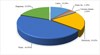 |
Fig. 3 Energy source distribution in the conventional cleaning method. |
Allocation of physical inputs used in dry ice cleaning method.
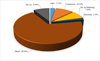 |
Fig. 4 Energy source distribution in the dry ice cleaning method. |
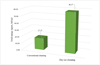 |
Fig. 5 Comparison of the total energy inputs for conventional and dry ice cleaning methods. |
3.3 Cost comparisons analysis
The total cost for the conventional cleaning method was RM239.17 m−2, which is 28.67% cheaper than the dry ice cleaning method at RM335.34 m−2 (Tab. 5). Excluding the tax, labor cost at RM72.20 m−2 was the highest cost component in the conventional method, while the preliminaries cost at RM10.58 m−2 was the lowest. In the dry cleaning method, material recorded the highest cost, accounting for RM114.00 m−2, whereas preliminaries were the lowest cost, accounting for RM47.03 m−2.
The most substantial cost difference between the conventional and dry ice cleaning methods lies in the preliminary cost, where dry ice cleaning was 77.50% higher than the conventional method. This is likely due to the need for more specialized equipment and operational setup. As mentioned earlier, dry ice cleaning requires a dry ice blasting machine and support systems such as high-pressure compressed air to accelerate the pellets. Material costs also showed a significant disparity: dry ice cleaning materials cost RM114.00 m⁻2, which was 37.92% higher than the RM70.77 m⁻2 for conventional cleaning. The higher material cost is primarily driven by the relatively expensive dry ice pellets compared with the water and degreaser used in conventional cleaning.
The results present a nuanced understanding of the advantages and limitations of both cleaning methods, highlighting the need for balanced decision-making in the palm oil industry. While conventional cleaning proves to be more energy- and cost-efficient, the findings challenge the common perception of dry ice cleaning as a more sustainable alternative. Despite its higher energy consumption, dry ice cleaning offers potential benefits such as reduced water usage, faster cleaning times, and the ability to clean delicate or sensitive equipment without damage. Field observations, based on on-site qualitative assessments of surface cleanliness through direct visual inspection, indicated that this method removed contaminants and residues more thoroughly than conventional cleaning. As a result, it may reduce slip hazards in the mill by minimizing slippery residues on surfaces and may also lower potential fire risk. These advantages suggest that a more comprehensive, holistic approach to cost and sustainability assessment is necessary. Ultimately, the results underscore the importance of evaluating multiple criteria such as energy use, environmental impact, operational efficiency, and equipment compatibility when selecting the most suitable cleaning method for palm oil mills.
As the palm oil industry faces increasing pressure to adopt greener and more efficient practices, the findings can serve as important references for informed decision-making. Such comparative evaluations not only guide operational choices but also support the development of future-ready, sustainable solutions for the industry.
Cost breakdown for conventional and dry ice cleaning methods.
4 Conclusions
A comprehensive evaluation of conventional and dry ice cleaning methods in a Malaysian palm oil mill revealed that both approaches have distinct advantages and limitations. Conventional cleaning demonstrated superior performance in several key areas. Notably, it consumed significantly less energy, only 17.37 MJ m−2 compared to 58.37 MJ m−2 for dry ice cleaning, which is resulting in 70.24% energy saving. This makes conventional cleaning particularly favorable in the context of the palm oil industry's efforts to reduce carbon emissions and operational costs. Additionally, it proved more cost-effective, offering a total cost reduction of 28.67% compared to dry ice cleaning, making it a more economically viable option for mills operating under tight profit margins. From an environmental perspective, conventional cleaning also performed better in controlling certain parameters, such as TN levels and maintaining more stable pH values. Furthermore, conventional cleaning methods utilize existing infrastructure and operational expertise, thereby reducing the need for additional investment in equipment and training.
Meanwhile, dry ice cleaning presented several environmental and safety advantages over conventional methods. It significantly reduced BOD levels and eliminated the generation of wastewater, making it an eco-friendly option aligned with sustainability goals. Unlike conventional cleaning techniques, dry ice blasting produced no secondary waste, minimized water consumption, and did not require chemical cleaning agents. From a safety perspective, on-site observations indicated that this method removed contaminants and residues more effectively than conventional cleaning. Consequently, dry ice blasting contributed to a cleaner and safer working environment by reducing potential slip hazards and fire risks.
Although dry ice cleaning has notable advantages, its industrial-scale adoption faces challenges in cost, energy use, and operational considerations. Conventional cleaning remains simpler and cheaper, though it generates wastewater and chemical residues. Therefore, in the Malaysian context, a balanced or hybrid approach may provide the most feasible solution for industrial practitioners, enabling them to optimize cost, energy efficiency, resource management, material supply chains, and overall sustainability while adapting to evolving regulatory and operational demands. This consideration is particularly important because CO₂ and dry ice suppliers, as well as their distribution hubs, are primarily concentrated in the major industrialized regions of Peninsular Malaysia (West Malaysia), such as Selangor, Kuala Lumpur, Penang, Johor, and Terengganu, where industrial gas infrastructure is more developed. As a result, remote plantation areas, especially in the East Malaysia region, may experience longer delivery times and higher transportation costs. Nevertheless, these challenges are generally manageable through efficient logistics management and proper scheduling of material deliveries.
Operator training requirements should also be considered when implementing dry ice blasting technology. In the Malaysian palm oil industry, these training requirements may not represent a major barrier because the operations are generally outsourced to specialized contractors who already possess the necessary technical expertise, operational experience, and safety certifications. However, some level of safety training remains necessary for mill staffs involved in supervising or supporting the cleaning process to ensure safe handling practices and compliance with workplace safety procedures.
This study has several limitations, including the exclusion of COD analysis from the assessment and the limited number of effluent samples, which may limit the generalizability of the findings to a broader range of mill cleaning technologies. In addition, since capital costs for dry ice cleaning are typically borne by specialized contractors providing the service, a detailed capital cost and payback analysis of the equipment is not the focus of this study.
Future studies could incorporate COD analysis and increase the number of samples to provide a more comprehensive evaluation of effluent and wastewater characteristics during mill cleaning operations. Further research should also focus on optimizing dry ice cleaning technology to reduce costs, energy consumption, and operational considerations while preserving its environmental advantages. Overall, these findings provide valuable understanding for palm oil mill operators, policymakers, and technology developers regarding the adoption and improvement of mill cleaning technologies.
Acknowledgments
The authors would like to express their sincere gratitude to Sua Betong Palm Oil Mill, SD Guthrie, Malaysia, for their excellent cooperation in facilitating this research.
Conflicts of interest
The authors have no conflict of interest in relation to this article.
Author contribution statement
Ahmad Nordin Md Arif contributed to investigation, data curation, formal analysis, and writing the original draft of the present article, while Darius El Pebrian contributed to the conceptualization, formal analysis, methodology, review, and editing of the present article.
References
- Djarot IN, Pawignya H, Handayani T, et al. 2024. Enhancing sustainability: microalgae cultivation for biogas enrichment and phycoremediation of palm oil mill effluenta comprehensive review. Environ Pollut Bioavail 36(1), 2347314. https://doi.org/10.1080/26395940.2024.2347314 [Google Scholar]
- Dominic D, Baidurah S. 2025. A review of biological processing technologies for palm oil mill waste treatment and simultaneous bioenergy production at laboratory scale, pilot scale and industrial scale applications with technoeconomic analysis. Energy Convers Manag X 26: 100914. https://doi.org/10.1016/j.ecmx.2025.100914 [Google Scholar]
- Dominic D, Baidurah S. 2022. Recent developments in biological processing technology for palm oil mill effluent treatment: a review. Biology 11: 525. [Google Scholar]
- Dzido A, Krawczyk P. 2023. Abrasive technologies with dry ice as a blasting medium: review. Energies 16: 1014. [Google Scholar]
- Erdal G, Esengun K, Erdal H, Gunduz O. 2007. Energy use and economic analysis of sugar beet production in Tokat Province of Turkey. Energy 32: 35–41. [Google Scholar]
- Godina R, Carvalho H, Catarino I. 2020. Eco-innovation in the cleaning process: an application of dry ice blasting in the automotive painting industry. J Clean Prod 272: 122987. [Google Scholar]
- Junaidi MUM, Ullah A, Mohd Amin NH, et al. 2025. The potential of zero liquid discharge for sustainable palm oil mill effluent management in Malaysia: a techno-economic and ESG perspective. Sustainability 17: 10665. https://doi.org/10.3390/su172310665 [Google Scholar]
- Khong NK. 2017. An application of advances oxidation process to photopolish palm oil mill effluent over TiO2 and ZnO Photocatalysts. Unpublished PhD Thesis. Universiti Malaysia Pahang, Malaysia. [Google Scholar]
- Lee KT, Ofori-Boateng C. 2013. Sustainability of biofuel production from oil palm biomass. Berlin: Springer Science & Business Media. [Google Scholar]
- Lee ZS, Chin SY, Cheng C. 2019. An evaluation of subcritical hydrothermal treatment of end-of-pipe palm oil mill effluent. Heliyon 5: e01792. https://doi.org/10.1016/j.heliyon.2019.e01792 [Google Scholar]
- Máša V, Horňák D, Petrilák D. 2021. Industrial use of dry ice blasting in surface cleaning. J Clean Prod 329: 129630. [Google Scholar]
- Nassiri SM, Singh S. 2009. Study on energy use efficiency for paddy crop using data envelopment analysis (DEA) technique. Appl Energy 86: 1320–1325. [Google Scholar]
- Natural Resources Canada. 2023. Energy efficiency reference guide for compressed air systems. Government of Canada. Available from: https://natural-resources.canada.ca/sites/nrcan/files/energy/pdf/energystar/compressed-air-ref-eng.pdf [Google Scholar]
- Sapie S, Jumali SS, Mustaffha S, Pebrian DE. 2019. Analysis of POME discharge quality from different mill in Perak, Malaysia: a case study. IOP Conf Ser Earth Environ Sci 327: 012022. DOI: 10.1088/1755-1315/327/1/01202. [Google Scholar]
- Sayin C, Mencet MN, Ozkan B. 2005. Assessing energy policies based on Turkish agriculture: current status and some implications. Energy Policy 33: 2361–2373. [Google Scholar]
- Sinbuathong N, Sillapacharoenkul B. 2021. Enhancement of biogas production from sunnhemp using alkaline pretreatment. Int J Hydrogen Energy 46: 4870–4878. [Google Scholar]
- Singh RP, Ibrahim MH, Esa N. 2010. Composting of waste from palm oil mill: a sustainable waste management practice. Rev Environ Sci Biotechnol 9: 331–344. [Google Scholar]
- Solaymani S. 2023. Biodiesel and its potential to mitigate transport-related CO₂ emissions. Carbon Res 2: 1–14. https://doi.org/10.1007/s44246-023-00067-z [Google Scholar]
- Spur G, Uhlmann E, Elbing F. 1999. Dry-ice blasting for cleaning: process, optimization and application. Wear 233–235: 402–411. [Google Scholar]
- U.S. Department of Energy. 2003. Improving compressed air system performance: a sourcebook for industry, version 3. Washington (DC): U.S. Department of Energy, Office of Energy Efficiency and Renewable Energy. Available from : https://www.energy.gov/sites/default/files/2016/03/f30/Improving%20Compressed%20Air%20Sourcebook%20version%203.pdf [Google Scholar]
Cite this article as: Ahmad Nordin Md Arif, Darius El Pebrian. 2026. Environmental, energy, and economic evaluation of conventional and dry ice cleaning technologies in Malaysian palm oil mill. OCL 33: 25. https://doi.org/10.1051/ocl/2026017
All Tables
Mean values of measured parameters in effluent obtained from both cleaning methods.
All Figures
|
Fig. 1 Flow chart of conventional cleaning method. |
| In the text | |
|
Fig. 2 Flow chart of dry ice cleaning method. |
| In the text | |
|
Fig. 3 Energy source distribution in the conventional cleaning method. |
| In the text | |
|
Fig. 4 Energy source distribution in the dry ice cleaning method. |
| In the text | |
|
Fig. 5 Comparison of the total energy inputs for conventional and dry ice cleaning methods. |
| In the text | |
Current usage metrics show cumulative count of Article Views (full-text article views including HTML views, PDF and ePub downloads, according to the available data) and Abstracts Views on Vision4Press platform.
Data correspond to usage on the plateform after 2015. The current usage metrics is available 48-96 hours after online publication and is updated daily on week days.
Initial download of the metrics may take a while.