


| Issue |
OCL
Volume 33, 2026
Palm and palm oil / Palmier et huile de palme
|
|
|---|---|---|
| Article Number | 21 | |
| Number of page(s) | 14 | |
| DOI | https://doi.org/10.1051/ocl/2026013 | |
| Published online | 25 mai 2026 | |
Research article
Closing yield gaps: estate technologies fall short for smallholder oil palm production☆
Réduire les écarts de rendement : les technologies des plantations industrielles restent insuffisantes pour la production de palmier à huile des petits exploitants
1
Institute of Tropical Agriculture and Food Security, Universiti Putra Malaysia,
43400
UPM Serdang,
Selangor,
Malaysia
2
Agricultural Engineering Department, Universitas Jenderal Soedirman,
Purwokerto
53122,
Indonesia
* Corresponding author: Cette adresse e-mail est protégée contre les robots spammeurs. Vous devez activer le JavaScript pour la visualiser.
Received:
10
October
2025
Accepted:
24
April
2026
Abstract
Closing yield gaps in oil palm production has become increasingly important as opportunities for land expansion diminish under sustainability and land-use policies. Whereas most previous studies have concentrated on established production methods, this study examines contemporary technologies adopted by estate companies and evaluates their applicability to smallholders. Evidence from publicly listed firms in Indonesia, Malaysia, and Singapore shows that more productive estates have implemented integrated plantation management systems that combine improved planting materials, “future-ready” plantation infrastructure, soil and water conservation, precision agriculture, and partial mechanization. These technology clusters increasingly embody features associated with a novel cluster of adaptation-to-climate-change. Expert reviews, however, emphasize that strengthening fundamental capacities remains the priority for smallholders. Replanting with improved varieties and adopting adaptive nutrient management—anchored in soil and water conservation—are viewed as practically essential. Yet, constrained by technological and structural factors, smallholders will have to follow a different pathway from estates in closing yield gaps. In this context, unlocking sustainable and resilient yield potential in the smallholder sector will depend on a balanced techno-socio-economic approach of innovations that extend beyond hardware and equipment to include institutional support, service delivery models, access to knowledge and financial systems, and diversification.
Résumé
La réduction des écarts de rendement dans la production de palmier à huile est devenue de plus en plus importante à mesure que les possibilités d’expansion des terres diminuent sous l’effet des politiques de durabilité et d’aménagement du territoire. Alors que la plupart des études antérieures se sont concentrées sur les méthodes de production établies, cette étude examine les technologies contemporaines adoptées par les grandes plantations et évalue leur applicabilité aux petits exploitants. Les données provenant d’entreprises cotées en Indonésie, en Malaisie et à Singapour montrent que les plantations les plus productives ont mis en place des systèmes intégrés de gestion des plantations combinant des matériels végétaux améliorés, des infrastructures « prêtes pour l’avenir », la conservation des sols et de l’eau, l’agriculture de précision et une mécanisation partielle. Ces adaptations technologiques intègrent de plus en plus des caractéristiques associées à un nouvel ensemble d’adaptations au changement climatique. Cependant, les analyses d’experts soulignent que le renforcement des capacités fondamentales reste la priorité pour les petits exploitants. Le replantage avec des variétés améliorées et l’adoption d’une gestion adaptée de la nutrition des plantes — fondée sur la conservation des sols et de l’eau — sont considérés comme essentiels en pratique. Néanmoins, en raison de contraintes technologiques et structurelles, les petits exploitants devront suivre une trajectoire différente de celle des plantations industrielles pour réduire les écarts de rendement. Dans ce contexte, le déblocage du potentiel de rendement durable et résilient du secteur des petits exploitants dépendra d’une approche équilibrée, techno-socio-économique, combinant des innovations allant au-delà des équipements matériels, incluant le soutien institutionnel, les modèles de prestation de services, l’accès aux connaissances et aux systèmes financiers, ainsi que la diversification.
Key words: oil palm / yield / intensification / technology / sustainability / resilience
Mots clés : palmier à huile / rendement / intensification / technologie / durabilité / résilience
Contribution to the Topical Issue: “Palm and palm oil / Palmier et huile de palme”.
© EDP Sciences, 2026
 This is an Open Access article distributed under the terms of the Creative Commons Attribution License (https://creativecommons.org/licenses/by/4.0), which permits unrestricted use, distribution, and reproduction in any medium, provided the original work is properly cited.
Highlights
Closing yield gaps is vital as land expansion opportunities decline.
Productive estates use integrated, future-ready management systems.
Technologies are available but are not readily transferable to smallholders.
Smallholders must strengthen fundamental capacities of plot.
Innovation beyond technology is key to unlocking smallholder yield potential.
1 Introduction
Concern—and controversy—over the stagnation of global oil palm yields has moved beyond agronomists and agricultural economists. Stagnant yields heighten the risk of continued deforestation (Lim et al., 2024), which has prompted stricter value-chain governance. Among consuming countries, the European Union Deforestation Regulation (EUDR) now prohibits commodities produced on land deforested after 31 December 2020. At the same time, producing countries such as Malaysia have strengthened domestic land-use controls, including a national cap of 6.5 million hectares of oil palm, a deforestation cut-off date one year earlier than the EUDR under the mandatory Malaysian Sustainable Palm Oil (MSPO) standard, geolocation-based licensing for estate and smallholder FFB sales, a national plot map, and a supply-chain traceability system. Although the full effects of these measures will take time to materialize, expansion of oil palm area has begun to slow. Tey and Darham (2024) report that Malaysia’s total planted area has declined steadily since peaking at 5.9 million hectares in 2019, contracting by an average of 1.3% annually. The decline has been sharper among smallholders, whose planted area and population fell by more than 3% annually. These trends coincide with evolving regulatory requirements and persistent input constraints, including ageing demographics, labor shortages, and limited access to finance, fertilizer, and technology. Taking together, these dynamics reinforce a growing consensus: closing yield gaps is the only sustainable approach to increase oil palm output without further land expansion (e.g., Gutiérrez-Vélez et al., 2011; Lee et al., 2014; Sharma et al., 2019). This raises a critical question: how can yield gaps be effectively narrowed?
There are four integrative strategies to close oil palm yield gaps. First, replanting aging plantations presents an opportunity to establish more efficient production systems. Quality, high-yielding planting materials revitalize both the functional and biological capacities of the production base. An annual replanting rate of approximately 4% over a 25-30-year cycle is widely recommended (Zhao et al., 2023). Second, nutrient diagnosis identifies and measures the nutritional status of the palm to ensure optimal growth (Lim et al., 2023). Third, the timing and sequencing of best agronomic practices are critical to achieving yield improvements. Specifically, applying the right nutrient source, at the right rate, at the right time, and in the right place (4Rs) enhances fertilizer use efficiency (Bruulsema, 2022). Finally, improved crop recovery requires regulated harvesting intervals, adequate labor for harvesting, efficient collection of fresh fruit bunches and loose fruits from the field, and proper field upkeep (Fairhurst and Griffiths, 2014). Most studies on oil palm yield gaps continue to emphasize these foundational aspects, underscoring their enduring relevance in establishing a productive plantation for further intensification. Ultimately, sustained productivity growth under evolving climate and sustainability goals depends on the continued integration of these agronomic foundations with technologies.
This study identifies key technologies adopted by estates and evaluates their potential applicability to oil palm smallholders. Across both Indonesia and Malaysia, estates consistently outperform smallholdings in productivity through improved plantation management. For example, in Indonesia, private estates control 54.08% of the total oil palm area but contribute 60.88% of national palm oil production, while smallholders manage 42.29% of the area yet account for only 28.66% of output (BPS–Statistics Indonesia, 2024). On average, smallholders produce about 40% less palm oil per hectare than private estates, reflecting significant productivity gaps between the two subsectors. Even plasma smallholders, those who have taken over plots from nucleus estates, achieve only 66% technical efficiency, indicating a 34% shortfall from the best-practice benchmark (Hasnah et al., 2004). Smallholders perform even worse, with an average technical efficiency of approximately 59% (Abdul et al., 2022; Dalheimer et al., 2022). Identifying and scaling appropriate technologies is therefore a critical step toward improving productivity among smallholding plantations suffering from persistent yield gaps (Khiabani and Takeuchi, 2020; Monzon et al., 2021).
Rapid advancements in agricultural technology are creating more opportunities for integration. Decision-support systems for smart applications, for instance, have evolved from complex, data-intensive platforms into more accessible tools that enable real-time monitoring, automated analytics, and variable-rate applications (Finger et al., 2019). These technologies can be adapted to complement or substitute conventional agronomic practices (McFadden et al., 2023). In oil palm production, estates have been at the forefront of adopting technologies, many of which fall under the broader framework of the Fourth Industrial Revolution (Zaki et al., 2025). This trend, however, raises critical questions regarding the inclusivity and adaptability of such technologies for smallholders. To address this gap, the present study inventories key technologies currently implemented by estates, with the aim of identifying technologies that can inform practical pathways for closing smallholder oil palm yield gaps.
Two empirical stages undertaken in this paper rest on the premise that smallholders often adopt and adapt practices originating from the established estate operations (Tey et al., 2020). For example, site-specific fertilizer recommendations have been made for smallholders through field results of estates that proved productive (Webb et al., 2011). In the first stage, technologies documented in sustainability and climate reports of oil palm companies listed in Indonesia and Malaysia are systematically examined. These technologies are grouped into clusters based on their semantic associations using network analysis, with particular attention to corresponding productivity levels. This approach offers a robust framework for addressing the asymmetric nature of agricultural technologies, providing deeper insights than conventional technology clustering methods. In the second stage, key technologies associated with relatively high yields are reviewed by experts to assess their applicability to smallholders, focusing on their relative advantages and compatibility. Applying these attributes to assess the feasibility of technologies for smallholders establishes a replicable template for examining the readiness of technology transfer across diverse operational scales.
The methodology employed to identify key technologies draws on the strengths of a secondary dataset while addressing a critical knowledge gap in the literature. Wang and Coleman (2016) analyzed patent filings in the palm oil sector following decades of research and development (R&D) investment and found a deceleration in technological advancements aimed at enhancing oil palm production. Their results indicate a predominant focus on genetic engineering techniques to improve crop traits. Similarly, Tey and Brindal (2024) highlighted the scarcity of technologies aimed at predicting and controlling phenotypes for traits conducive to climate change adaptation. This underscores the growing need for a landscape of accessible technologies in oil palm production—a theme increasingly supported by descriptive studies focusing on potential production technologies (e.g., Khan et al., 2021; Lim et al., 2021). Moreover, experts play a pivotal role in the diffusion and policy of agricultural technology (Guo et al., 2025).
However, the scope of plantation technologies extends well beyond information and communication technologies, leaving two key knowledge gaps unaddressed. First, beyond the exploratory stage, which technologies have been effectively implemented by oil palm plantations? Second, which of these technologies are suitable for smallholding models? The dataset analyzed in this study captures on-farm technologies across various sizes of estates, reflecting diverse technical approaches. By associating these technologies with observed productivity levels, this study provides a structured basis for expert evaluation of their relative advantages and compatibility in smallholder applications.
This study yields two key findings. First, estates have adopted integrated, future-ready plantation management systems to varying degrees. Established (conventional) inputs form larger nodes within the technology network, indicating their widespread and entrenched use compared to newer technologies. Notably, estates exhibiting relatively high productivity are associated with the adoption of precision agriculture technologies and climate change adaptation strategies. Second, the applicability of these technologies remains limited in scope. A considerable gap persists between the economic requirements of these contemporary inputs and their compatibility with smallholder systems, which continue to require strengthening fundamental capacities, particularly through soil and water conservation, adaptive nutrient management, and the optimization of improved planting materials across the economic lifecycle of oil palm. For inclusive growth, landscape-level innovations—such as sharing-economy models that deliver precision-agriculture services—are essential to address the collective needs and constraints of smallholders. These can be applied in parallel with integrated farming approaches such as agroforestry. Ultimately, achieving sustainable, resilient yields depends on deliberate support innovations that extend beyond tangible technologies.
The remainder of the paper is structured as follows: Section 2 provides a background on stagnating oil palm yields, emphasizing the need to move beyond conventional production practices. Section 3 outlines the methodology, showcasing the advantages of the secondary data utilized and the enhancements made to network analysis. The technology-yield associations are then distinguished to prioritize technologies for expert consultations on their relative advantage and compatibility with oil palm smallholders. Section 4 presents the results, which are then followed by a discussion of their implications in Section 5.
2 Oil palm yield to drive production growth
Globally, as illustrated in Figure 1, FFB production has followed a three-stage trajectory. In the foundation phase (1975–1990), global FFB output tripled to about 60.9 million tons. Africa was initially a key contributor, producing between 10 and 12 million tons annually. 1979 marked the first year in which Asia and the Americas surpassed 14 million tons and 1 million tons, respectively. The sector then moved into a rapid expansion phase (1990–2010), during which output grew nearly fourfold to 237 million tons. This is a period decisively led by Asia, especially Indonesia and Malaysia, while the Americas and Oceania expanded more gradually. Since 2010, production has entered a maturing phase, reaching roughly 409 million tons by 2023. Incremental gains now increasingly originate from Oceania, Africa, and the Americas. Asia continues to dominate overall production.
While Indonesia and Malaysia remain the world’s two largest producers, Figure 2 shows clear signs of diversification, land constraints, and a gradual shift from area expansion toward yield improvement. From 1975 to 1990, both countries recorded moderate annual growth: 6.35% in Indonesia and 5.38% in Malaysia. Growth accelerated sharply between 1990 and 2010, reaching 9.84% per year in Indonesia and 7.37% in Malaysia. However, since 2010 growth has slowed, reflecting maturing plantation areas and tighter land-use controls. Indonesia’s production increased at 5.62% annually, while Malaysia’s growth decelerated further to 2.96%.
Two major drivers of oil palm production growth have reached critical turning points. First, the global oil palm plantation area, which stood at 3.54 million hectares in the mid-1970s, has steadily grown. However, by the 2010s, Malaysia's land expansion had slowed considerably, while Indonesia's marginal growth began tapering off around 2017. Second, global oil palm yields have moved toward convergence over time. In the mid-1970s, Indonesia and Malaysia achieved similar yields per hectare, while the global average lagged at around 5.9 ton/ha. By 2017, the global average yield peaked at 15.06 ton/ha before declining to 14.4 ton/ha in 2021. In comparison, Indonesia and Malaysia's yields have fluctuated within 17–20 ton/ha and 15–20 ton/ha, respectively. However, since 2005/06, both have trended toward the lower end of their ranges. A return to increasing yields is the only means to increase oil palm production under a regulated land-use change regime.
Technology represents the most promising mechanism to overcoming stagnating oil palm yields and constraints on land expansion. Historically, technological progress has been instrumental in reducing dependence on large-scale agricultural land conversion (Dalheimer et al., 2022). However, knowledge of existing technologies remains fragmented, largely due to the dispersed and uncoordinated nature of R&D efforts (Tey and Brindal, 2024). This study contributes to bridging that gap by aggregating evidence from reports of publicly listed oil palm estate firms to derive generalizable insights relevant to smallholder applications.
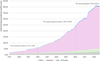 |
Fig. 1 World oil palm production, 1975-2023. Source: FAO (2026). |
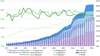 |
Fig. 2 Oil palm yield and planted area in Indonesia, Malaysia, and the world. Source: FAO (2026). Note: FAO’s estimates are used given that both Indonesia and Malaysia do not report annual oil palm yields and productions. |
3 Methodology
Both technology and productivity uptake are influenced by changes in input and output prices, as significant increases in these factors often incentivize input intensification and capital investment (Fuglie et al., 2019). This paper therefore distinguishes current yield, which primarily reflects the effects of recent agronomic practices, from sustained productivity. Long-term productivity is driven by technological adoption and management systems.
3.1 Estate firms’ public reports and co-occurrence network analysis
Annual and sustainability reports of publicly listed estate firms were the sources informing the co-occurrence network analysis. Annual reports contain information that has undergone external audit, while sustainability reports are subject to internal assurance processes and its disclosure is determined by regulatory requirements. Both disclosure streams are complemented by monthly production figures reported as part of stock exchange compliance requirements. Emerging evidence suggests that sustainability reporting is closely associated with firm performance in the agri-food sector in multiple dimensions (e.g., Buallay, 2022).
In this study, the dataset comprises annual and sustainability reports from 72 publicly traded oil palm estate companies covering the period 2016-2022. An initial shortlist included 76 companies: 27 listed under the Plantation Sub-Sector of the Indonesia Stock Exchange (IDX), 41 under the Plantation Sector of the Kuala Lumpur Stock Exchange (KLSE), and eight under the Food and Beverage Sector of the Singapore Stock Exchange (SGX). Four companies were subsequently excluded because palm oil was not their primary business activity.
In total, 352 sustainability and climate reports were extracted to inform the co-occurrence network analysis, as summarized in Table 1. It is worth noting that data availability and quality of these reports have evolved over time. At the same time, stock exchange authorities permit a variety of reporting frameworks. Compliance with the recommended reporting framework remains voluntary. Most commonly used are the Global Reporting Initiative Standards and the Sustainable Development Goal frameworks. The International Integrated Reporting Council and the Sustainability Accounting Board Standards Board are two other frameworks. Notwithstanding their variability, these applications are increasingly blended while exhibiting converging and recurring themes (Yatim, 2024).
Network analysis was employed to examine the extensive and diverse textual data on production resources in oil palm estates. Semantic network approaches have proven effective in uncovering the structure of technologies, such as identifying "hot spots" in patents (e.g., Fajardo-Ortiz et al., 2015; Hara et al., 2016; Wang et al., 2023). Moreover, this method has revealed previously unrecognized innovation patterns, such as emerging technologies (Jin et al., 2023) and unexpected co-integration (Yuan and Li, 2021) within large datasets. By synthesizing the technical foundations implemented by estate firms in oil palm production systems, network analysis provides valuable insights into navigating the evolving production landscape.
It began with a quantitative content analysis to extract keywords that identify an agricultural practice or technology from the unstructured text. Distillation was required because the raw text's wordiness and repetition diluted clarity. The Natural Language Toolkit's stop word list assisted in removing stop words (e.g., 'a', 'be', 'about') that have no semantic relationship with oil palm cultivation inputs. Terminologies used in recent review studies on agricultural practices (Prokopy et al., 2019; Tey et al., 2017), modern technologies (e.g., FAO, 2022; Tey et al., 2022), innovation patents (e.g., Tey et al., 2024; Tey and Brindal, 2024), and adaptation strategies (e.g., Aryal et al., 2020) aided our understanding and enabled keyword capture. Synonymous keywords (e.g., wastewater solid and sludge, foliar and leaf analysis, and decanter solid and cake) were standardized.
The visualization of similarities mapping technique, developed by Van Eck and Waltman (2007), was employed in the keyword co-occurrence network analysis conceptualized in equation (3). The network captures co-occurrence (edges) between technologies (nodes) and the strength of the co-occurrence (weights) across observations. The process begins with the generation of a a co-occurrence matrix, which is transformed into a similarity matrix using the association strength measure. The similarity sij between technology nodes i and j was defined as:
 (1)
(1)
where cij is the number of co-occurrences (joint applications) of technologies i and j, and wi and wj denote the total occurrences (frequency) of nodes i and j, respectively.
Using this similarity matrix, a two-dimensional map is constructed where the Euclidean distance between nodes reflects their relative similarity. The coordinates xi for each node i are determined by minimizing the following objective function:
 (2)
(2)
To prevent all nodes from collapsing into a single point, the optimization is subject to the constraint:
 (3)
(3)
This minimization, solved via a majorization algorithm, ensures that highly similar technologies are clustered together, while dissimilar ones are placed at the periphery.
To correlate these technological clusters with performance, we integrate firm-level productivity as a nodal attribute. For each technology j, an average productivity score yij is calculated across all firms i utilizing that technology in year t. This is visualized via a color mapping function[CE1]:
 (4)
(4)
where f(.) is a color gradient function representing the productivity spectrum.
In the final network visualization, spatial arrangement facilitates the identification of distinct clusters. They reveal the semantic relationships and thematic groupings inherent in the technological landscape. Within each cluster, node size is proportional to the frequency of technology occurrences, while the edges represent co-occurrence links, with their weight (thickness) determined by the association strength.
To bridge the gap between structure and performance, the nodes are color-coded according to a productivity gradient. Because the estates in the sample followed the industry-standard annual replanting rate of 4–5%, their yield data can be considered normalized against palm age profiles. This allows the analysis to isolate technological effects from biological lifecycle influences, ensuring that the color mapping more accurately reflects technologies associated with productivity.
Annual and sustainability reports used in this study.
3.2 Expert panel reviews and quadrant analysis
Building on the network outputs generated for Indonesia and Malaysia, expert panel reviews were conducted to assess the aggregated network of technologies. The evaluation placed particular emphasis on technologies correlated with a productivity level of 20 tons per hectare—a threshold commonly achieved by estates in Indonesia (Woittiez et al., 2024) and consistent with the water-limited yield potential of earlier commercial planting materials in Malaysia (Goh et al., 1994). Accordingly, the expert assessment was refined to focus on impact technologies prioritized for their relevance to smallholders’ productivity growth.
This assessment applied a technology adoption prediction framework and developed a quadrant matrix based on the relative significance of innovation attributes within the smallholding context. Perceived innovation attributes are central to the diffusion process (Rogers, 1995) and can be effectively evaluated by experts whose collective judgments enhance the feasibility of targeted technology transfer. According to Kuehne et al. (2017) and Kaine and Wright (2022), technologies that demonstrate clear advantages over existing practices and are easy to learn and apply are more likely to be adopted. While the significance of relative advantage is well established, this study also emphasizes compatibility, the extent to which estate-level technologies and production practices align with the needs, capacities, and operational conditions of smallholders. Predictive studies, including those synthesized by Kapoor et al. (2014), consistently underscore the importance of both relative advantage and compatibility attributes, even in the diffusion of high-tech technologies.
In this study, the expert panel assessed the extent to which each technology was perceived as relatively advantageous and compatible with smallholder operations. For each item, the experts discussed their responses with reference to their specialized knowledge and field observations before recording a final rating on a five-point Likert scale, where “1” indicated the least favorable assessment and “5” indicated the most favorable. These guided discussions helped ensure that responses were well-reasoned and reduced the likelihood of central-tendency bias. Taken together, the deliberations generated a more nuanced and context-sensitive understanding of productivity challenges across different smallholder segments.
A total of 38 experts, recruited through professional recommendation, were interviewed between January and March 2024 (Tab. 2). The panel size is considered sufficient, meeting the optimal size of 30 respondents typically recommended for Delphi surveys involving domain experts (de Villiers et al., 2005). The respondents of this study represented a broad multi-stakeholder composition, including smallholders, estate companies, R&D and extension institutions, intermediaries, mills, and non-governmental organizations.
The expert responses were analyzed using quadrant analysis. The Likert scores for the relative advantage (RA) and compatibility (C) of a technology were averaged and denoted as RAk and Ck respectively. Here, three (3) represents the midpoint of the 5-point Likert scale, effectively separating relative advantage from disadvantage and compatibility from incompatibility. Each input was then categorized into one of four quadrants based on its position within the coordinate space:
 (5)
(5)
The quadrant analysis plots data points on a two-axis chart, dividing them into four sections to prioritize actions.
Strategic technologies are those that deliver substantial benefits while remaining readily implementable. Their replication across oil palm plantations is typically supported by three characteristics: (i) they constitute fundamental and resilient inputs that retain importance even amid structural or environmental change; (ii) they provide a robust foundation for future integrative technologies; and (iii) their risk-adjusted returns are predictable and attainable. Consequently, strategic technologies are most often derived from established or proven practices.
Expert panels interviewed in this study.
4 Results
Estate firms’ oil palm landholdings have largely stagnated in recent years. By the end of 2022, the combined landbank of the sampled firms reached 7.15 million hectares, representing approximately one-quarter of the global oil palm planted area. The sample’s landholdings display strong regional concentration. Most IDX-listed firms are located on the Indonesian islands of Sumatra, Kalimantan, Sulawesi, and Java, where they overlap geographically with SGX-listed companies. The leading provinces include Riau, West Kalimantan, Central Kalimantan, North Sumatra, and East Kalimantan. In contrast, KLSE-listed firms’ estates are distributed along the coastal regions of Sabah and Sarawak and throughout Peninsular Malaysia. Although some Malaysian firms also operate plantations in Indonesia, their holdings remain modest relative to the extensive land areas managed by Indonesian companies in this study.
For analytical consistency, data were classified by country: information from IDX and SGX-listed companies was categorized under Indonesia, while data from KLSE-listed firms were assigned to Malaysia.
Overall, the sampled estate firms demonstrated notable resilience[CE2] in Figure 3. Most exhibited upward yield trajectories across the study period, with only nine companies in both countries showing a downward trend. Even where fluctuations occurred, yields typically rebounded, underscoring the adaptability and sustained productivity capacity of these estates. These characteristics establish a robust empirical foundation for examining the structure of production practices and technologies underpinning yield growth in the oil palm sector.
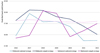 |
Fig. 3 Annual oil palm yields of estate samples in Indonesia and Malaysia. Notes: Indonesian national yields were estimated by the FAO (2026), while Malaysian estate yields were reported by the Malaysian Palm Oil Board (2022). The Indonesian yields represent national averages, whereas the Malaysian figures refer to private and government/state agency estates, including estates with organized smallholders managing areas of 100 acres or more. FFB denotes fresh fruit bunch. |
4.1 Network structure of oil palm production technologies
Figures 4a and 4b illustrate the network of production technologies employed by Indonesian and Malaysian estate firms in relation to oil palm productivity. The identified technologies cluster into five functional categories. Four of these—plantation establishment, agronomic management, diagnosis, and crop recovery—are conventionally recognized. They align with Hoffmann et al.’s (2017) refined framework, which synthesizes contemporary evidence on how commercial operations can close yield gaps. A fifth category, adaptation, emerged as a distinct cluster. Contrary to the conventional understanding that the yield potential of a progeny is largely constrained by inherent climatic conditions, findings from this study show that estate firms are embedding targeted, actionable measures across multiple production clusters to mitigate climate-related risks and sustain long-term productivity growth.
Given that the establishment phase determines the long-term success of oil palm cultivation, estates place strong emphasis on land preparation and (re)planting. In Indonesia, the most frequently reported establishment practices include replanting, high-yielding varieties, and leguminous cover crops, with co-occurrence scores of 79, 93, and 49, respectively (based on 112 IDX and SGX publications). Adoption of improved varieties correlated with an average productivity of 20 tons/ha. These high-yielding varieties were often described as climate-tolerant and disease-resistant, and were closely associated with replanting and cover-cropping practices. A similar pattern is observed in Malaysia, where leguminous cover crops recorded the highest co-occurrence score of 87 (out of 240 KLSE publications) and were correlated with an average productivity of 21 tons/ha. However, Malaysia shows a subtle distinction, marked by the widespread installation of terracing, bunds, riparian reserves, silt pits, and water gates. These investments build infrastructure that enhances system resilience. They signal that plantation establishment offers a strategic opportunity to pursue landscape-level adaptation while pairing with in-situ yield-enhancing measures.
Agronomic management clusters are pronounced, comprising good agricultural practices (GAPs), integrated pest and disease management, and nutrient management. A central feature is biomass recycling, which sustains soil health, thereby protecting water quality and availability. Frond stacking is widely practiced as an in-situ technique. Mill by-products—such as empty fruit bunches (EFB), processed palm oil mill effluent (POME), and POME solids or sludge—are applied as soil amendments. Although the agronomic and environmental benefits of biomass decomposition are well documented, ex-plantation recycling remains concentrated among vertically integrated estates. Secondly, integrated pest and disease management shows more uneven uptake. Barn owls (Tyto alba), supported by widespread installation of nesting boxes, are commonly used to control rat populations. By contrast, the planting of beneficial vegetation to attract predatory insects and reduce chemical pesticide use is less prevalent. Thirdly, nutrient management sits at the interface with the diagnosis cluster. Rising fertilizer costs have accelerated adoption of optimized fertilization practices, particularly those guided by the “4R” nutrient stewardship principle. That is, applying the right nutrient source, at the right rate, time, and place. This approach is most prevalent in Malaysian estates and is consistently associated with high productivity levels. Relatively speaking, integrated pest and disease management, along with nutrient management, respond to site-specific agronomic needs. However, the availability of biomass constrains how far plantations can go in implementing soil and water conservation practices. As commercial demand for biomass grows, the long-term sustainability of these conservation measures will come under increasing pressure.
The diagnosis clusters capture practices that inform targeted decisions to improve plant health and growth. Rather than relying on blanket fertilizer applications, estates that use technical assessments—such as foliar and soil testing, plant-age nutrient requirements, and demand–supply analyses—can better identify nutrient imbalances and tailor prescriptions, supported by palm census data. Yet fewer than one-quarter of estates in Indonesia and Malaysia reported using this conventional precision approach, even though adopters were consistently correlated with yields above 20 tons per hectare. This method is now being modernized through smart agriculture tools. Satellite imagery, unmanned aerial systems (UAV), global positioning systems (GPS), and geographic information systems (GIS) are increasingly used to automate palm censuses, guide nutrient application, and monitor risks. The latter includes fire monitoring, particularly in Indonesia where fire risk assessment recorded the highest co-occurrence score (44 out of 112 IDX and SGX publications). These technologies that enabled near real-time decisions are predominantly taken up by productive estates. For ensuring interoperability, it implies capacity as an inherent quality to adapt and integrate modern systems with existing facilities and operations.
Crop recovery emerged as the smallest cluster, indicating that technology in this area remains relatively underdeveloped. Even so, in-field mechanization is noteworthy, although it was reported by fewer than 10% of estate firms in both Indonesia and Malaysia. Productive estates use small tractors, mechanical buffaloes, power wheelbarrows, and crawlers to collect and transport FFB from the field to collection platforms. Mechanical grabbers are also employed to (un)load fruits into bins and, in some instances, to mobilize and spread compost materials such as EFB. These advances reflect a gradual shift from manual fruit evacuation toward machinery and powered equipment to improve operational efficiency. However, technologies targeting other crop-recovery functions—such as FFB ripeness determination, bunch cutting, and loose fruit collection—remain limited. From a time-motion perspective, harvesters typically spend less than 30 min cutting bunches during an eight-hour workday; the majority of time is devoted to walking, locating ripe bunches, positioning heavy poles, and navigating uneven terrain. Until practical technological solutions become widely available, incremental improvements to existing harvesting tools (e.g., carbon-fiber poles and laminated, bonded sickles) remain the main focus.
The adaptation cluster is closely interconnected with the other functional clusters, with primary emphasis on fire prevention and peatland management in Indonesia, and on water availability in both Indonesia and Malaysia. Water management has become increasingly critical amid growing variability in rainfall patterns. Although oil palm is largely a rainfed crop, estates have begun harvesting rainwater for irrigation in addition to its traditional uses for plantation households and mills. When coupled with irrigation systems, this approach reduces reliance on groundwater and strengthens water security. Productive estates also demonstrate that even simple adaptation practices, such as maintaining soft groundcover grasses, can help retain soil moisture and support productivity resilience. Accordingly, adaptation is not confined to a single domain but is implemented through diverse practices embedded across the other four clusters. Its relatively small cluster size therefore does not imply insignificance; rather, it reflects the multifunctional nature of good agricultural practices.
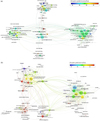 |
Fig. 4 a. Indonesian network of estate practices and technologies in relation to oil palm yield. Notes: EFB is empty fruit bunch. POME denotes palm oil mill effluent. IPM denotes integrated pest management. P&D denotes pest and disease. LCC denotes leguminous cover crop. GIS denotes geographic information system. GPS denotes “global positioning system. b. Malaysian network of estate practices and technologies in relation to oil palm yield. Notes: EFB is empty fruit bunch. POME denotes palm oil mill effluent. IPM denotes integrated pest management. P&D denotes pest and disease. LCC denotes leguminous cover crop. GIS denotes geographic information system. GPS denotes “global positioning system. |
4.2 Applicability of technologies to smallholders
Building on the network findings, 38 oil palm experts from Indonesia and Malaysia reviewed technologies correlated with yields of 20 tons per hectare and above. Indonesian and Malaysia experts shared similar perceptions regarding the challenges and opportunities associated with adapting technologies to smallholding settings. Indeed, the oil palm industries in Indonesia and Malaysia are deeply interconnected (Varkkey et al., 2018), characterized by the transmigration of farm laborers between the two countries, the movement of skilled planters from Malaysia to Indonesia, and the exchange of technology and knowledge. Given their geographical proximity, both nations face common challenges, including securing a disciplined labor force, allocating land for estate development, and addressing sustainability and environmental concerns (McCarthy and Cramb, 2009; Fathana, 2018). Accordingly, an aggregated quadrant analysis was conducted and presented in Figure 5. The figure plots the degree of perceived profitability on the x-axis and the degree of perceived compatibility on the y-axis.
In the strategic quadrant, 22 technologies were identified as having the potential to deliver above-average profitability while remaining compatible with smallholder contexts. Replanting with modern planting materials emerged as a critical entry point. The Malaysian Palm Oil Board (2019) reported that clonal palms, clonal seeds, and interspecific hybrids can produce at least 10% higher FFB yields compared with the widely used Dura x Pisifera (DxP) planting material. Primary traits such as disease resistance and climate tolerance are particularly valuable, as they reduce crop losses and stabilize yields under increasingly variable weather conditions. Secondary traits, including dwarfism and early maturity, help address key smallholder socioeconomic constraints by lowering labor requirements and shortening the period before first harvest, thereby easing cash-flow pressures. However, despite the agronomic appeal of improved varieties, replanting necessitates the removal of existing palms and creates an income gap lasting two to three years. Consequently, replanting decisions are strongly shaped by smallholders’ socioeconomic circumstances, especially access to capital and the availability of alternative income sources.
Sustaining the fundamental functions of soil and water was highlighted as critical throughout the oil palm lifecycle. Maintaining soft grass cover between rows is strongly recommended, as natural vegetation helps prevent erosion, conserve soil moisture, and enhance soil fertility. Certain soft grasses are preferred as undergrowth in mature plantations because they are easy to manage, able to suppress woody weeds once established, and do not compete strongly with oil palms for nutrients and water (Samedani et al., 2015). Rainwater harvesting was also recognized as a cost-effective strategy to mitigate water stress. FFB yield may lose about 10% for every 100 mm increase in the soil water deficit (Carr, 2011). Recycling palm biomass, such as pruned fronds and EFBs, supports soil and water conservation by increasing soil organic carbon. When combined with optimal nutrient application, palm residues improve physiological performance and yield components (Khoiri et al., 2025). Healthy soils with adequate moisture help ensure nutrients are available to plants, reduce nutrient losses, and sustain the microbial activity necessary for effective nutrient cycling.
Subsequently, both nutrient diagnosis and optimal fertilizer application were identified as highly important for informed fertilization among smallholders. Firstly, nutrient diagnosis and climate risk assessments should be made widely accessible, accompanied by awareness efforts that communicate their value. These services require specialized expertise to integrate foliar and soil analyses with oil palm nutrient requirements, and results are rarely interpretable by smallholders without technical support. In the interim, approximating fertilizer needs using over-the-counter products may represent a realistic and cost-effective option while advisory and institutional support systems are strengthened. Simplifying climate information and integrating it into advisory tools can further help smallholders time fertilizer applications more effectively. Secondly, nutrient correction was strongly recommended, particularly for smallholders operating on marginal soils. Continuous nutrient withdrawal, when addressed through blanket applications, often leads to nutrient imbalances that limit palm uptake and reduce efficiency. Because nutrient cycling in oil palm systems is complex, experts therefore emphasized the adoption of nationally endorsed fertilization standards and products. For example, the MPOB recommends an annual fertilizer program of 6–9 kg per palm applied over two to three cycles, along with formulated fertilizers tailored to different soil types and growth stages. Effective application can be carried out using simple field practices, such as applying fertilizer granules in weeded or frond-stacked zones after light rainfall. However, fertilization can also produce diminishing returns. Under nutrient balance principles, palms with higher yields require greater replenishment, whereas low-yielding palms require less. While smallholders may grasp this concept, application remains sub-optimal without informed prescriptions and appropriate formulations. Even where deficiencies are accurately diagnosed, sub-standard fertilizers undermine intensification, while heavy rainfall can cause nutrient runoff and render applications ineffective. Re-application is uncommon, as fertilizer represents one of the largest production costs. Faced with volatile FFB prices and rising fertilizer prices, many smallholders are inclined toward cheaper—and often lower-quality—alternatives. Consequently, nutrient management in smallholder systems is inherently complex.
The re-innovation quadrant, characterized by below-average profitability and limited compatibility with smallholder contexts, comprised eight intersections. Although agronomic diagnosis and variable-rate applications were widely viewed as desirable, precision agriculture technologies are considered prohibitively complex and costly to oil palm smallholders (e.g., Suud et al., 2026). Required investments in hardware, software, training, and expert support place them beyond the financial and managerial reach of most smallholders. Operating satellite and drone imagery, UAVs, GPS, and GIS entails a technically demanding cycle from data acquisition to analytics, interpretation, and ultimately agronomic decision-making. Each stage requires specialized expertise, and the lack of interoperability and standardization across devices and platforms frequently generates compatibility and data-quality problems, often triggering further investment. Moreover, diseconomies of scale render precision technologies largely infeasible for smallholders. Given these are technical and capacity constraints at individual level, any effort to enable smallholder participation in precision agriculture should be designed around collective platforms and shared services, rather than individual farm adoption.
Beyond scale constraints, smallholders often lack the technical capacity to plan or procure multiple palm varieties, a function typically handled by seedling suppliers or replanting contractors. This dependency makes varietal diversification at the individual-plot level largely infeasible. Even organized or scheme smallholders remain dependent on institutional procurement systems that acquire bulk quantities of certified planting materials through tendering processes. Experts also noted that inconsistencies in seedling age and quality pose additional risks, while limited knowledge of maintenance requirements for trait-improved varieties can lead to suboptimal care and yield outcomes. Although intraspecific diversity in oil palm remains relatively understudied, evidence from other crops support that cultivar mixtures of the same species can be compatible with mechanized production systems and may confer agronomic and yield advantages (Lithourgidis et al., 2011). When combined with functional trait diversity, such mixtures have been associated with higher relative yields and greater stability (Reiss and Drinkwater, 2018). For smallholders, however, resilience gains from varietal diversification are more realistically achieved at the landscape level, where diversity arises across multiple neighboring plots rather than within a single farm.
In other quadrants, practices such as restricting plantings on steep terrain, constructing silt pits, and implementing peat management were considered moderately compatible with smallholder capacities. Similarly, the economic feasibility of installing water gates, adopting in-field mechanization, and utilizing POME sludge was assessed as moderate, offering potential benefits. Constrained by cost and technical considerations, these findings warn against low preparedness of smallholders to long-term climate, environmental, and labor challenges.
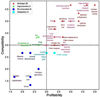 |
Fig. 5 Perceived appropriateness of estate practices and technologies to smallholders. |
5 Conclusions and policy implications
Previous studies have long emphasized the role of established best management practices in narrowing oil palm yield gaps. However, the evolving sustainability challenges and emerging opportunities in palm oil-producing countries call for a contemporary understanding of the current technological landscape. Through innovation co-occurrence network analysis, this study contributes to the literature by mapping contemporary production technologies employed by estate firms. Building on these findings, it extends existing work through quadrant analysis to identify technologies that exhibit both profitability and compatibility with smallholder operations, thereby indicating a higher level of readiness for technology transfer.
Sustainability and resilience have emerged as defining features of contemporary plantation management, in which conventional practices are integrated with new technologies to adapt to changing production conditions. High-yielding planting materials are established on plantations with improved infrastructure designed to mitigate future environmental and climate risks. Precision agricultural tools enable more accurate diagnosis, prescription, and input management, while the recycling of both in-field and off-farm biomass strengthens essential soil and water functions. Post-harvest mechanization has improved crop evacuation, even under unfavorable weather conditions. Together, these technology clusters co-integrate to stabilize long-term productivity. For instance, precision agriculture enables proactive adaptation through variable-rate input management, thereby strengthening adaptive capacity while improving resource-use efficiency across estates.
Consistent with key references (e.g., Fairhurst et al., 2019), the findings imply an integrative approach for intensifying smallholder oil palm production—one that aligns costs and benefits with smallholders’ operational realities. Experts emphasized that replanting is fundamental for rejuvenating the productive plantation with high-yielding, more climate-resilient varieties. Nature-based solutions, particularly those available in situ, offer practical means to strengthen soil and water conservation while supporting sustainable intensification. Optimal fertilization must be guided by diagnosis, prescription, and appropriate application. These fundamentals can be conceived as stepwise preconditions for subsequent interventions. At the landscape level, well-designed cropping systems can mitigate runoff risks and reinforce soil and water functions, while improved soil properties enhance nutrient-uptake efficiency. Addressing these fundamentals provides a critical foundation for subsequent adoption.
Interventions should adopt a balanced techno-socio-economic approach. From a techno-economic perspective, cost, technical, and scale requirements remain key determinants of applicability for smallholders. Capital-intensive technologies require carefully considered investment decisions, not only in terms of acquisition but also in relation to operational capacity, including the availability of technical skills and the need for additional labour. These requirements typically increase with input intensity, underscoring the importance of efforts to simplify and downscale innovations. From a techno-sociological perspective, social and institutional barriers must also be addressed. Policies should prioritize improved access to knowledge resources and strengthened extension services as core drivers of productivity growth, alongside financial mechanisms that enable smallholders to invest in innovation despite limited capital and technical capacity.
The balanced approach should integrate both advanced technological and nature-based solutions. The principles underpinning precision agriculture and mechanization offer significant opportunities, particularly when deployed through sharing-economy models that reduce the costs of individual ownership. At the same time, equal attention must be given to simpler, low-cost, and widely accessible practices. Resource conservation and improved farm management remain critical and should not be replaced by high-technology solutions. Accordingly, smallholder development strategies should integrate technologies with incremental, locally adaptable practices to ensure broad-based adoption.
At the same time, this balanced approach should recognize smallholders’ underlying need for livelihood diversification within predominantly monoculture oil palm systems. Integrated farming systems offer viable alternatives, helping to reconcile economic viability with ecological restoration. Emerging trials (e.g., Rival et al., 2025) and empirical evidence (e.g., Zemp et al., 2023) demonstrate that agroforestry can restore ecosystem functions without compromising oil palm yields, partly through improvements in soil quality (e.g., Gomes et al., 2021). With well-designed planting configurations, mechanization can further enhance the efficiency of integrated systems, including weeding and crop recovery (de Oliveira et al., 2022). Such approaches can strengthen ecological resilience, support biodiversity, reduce vulnerability to climate variability, and generate additional income streams, thereby stabilizing smallholder oil palm productivity and livelihoods.
Given the markedly different pathways available to estates and smallholders for closing yield gaps, the core implication is clear: unlocking sustainable and resilient yield potential in the smallholder sector requires innovation beyond technology alone. It necessitates coordinated institutional support, effective service delivery models, access to knowledge and financial systems, and diversification.
Acknowledgments
The authors would like to thank the anonymous reviewers for their constructive comments and feedback, which greatly strengthened the overall manuscript. We also would like to express gratitude to the Council of Palm Oil Producing Countries (CPOPC) for their invaluable financial support and facilitation of data collection. Special recognition is extended to key informants and the Scientific Committee of the CPOPC.
Conflicts of interest
The authors declare that there is no conflict of interest in relation to this article.
Author contribution statement
YST: Conceptualization, Investigation, Data curation, Data analysis, Writing – review & editing; A: Investigation, Data curation, Data analysis, Writing – review & editing.
References
- Abdul I, Wulan Sari D, Haryanto T, Win T. 2022. Analysis of factors affecting the technical inefficiency on Indonesian palm oil plantation. Sci Rep 12(1): 3381. [Google Scholar]
- Aryal JP, Sapkota TB, Khurana R, Khatri-Chhetri A, Rahut DB, Jat ML. 2020. Climate change and agriculture in South Asia: Adaptation options in smallholder production systems. Environ Dev Sustain 22: 5045–5075. [CrossRef] [Google Scholar]
- BPS-Statistics Indonesia. 2024. Indonesia oil palm statistics. BPS-Statistics Indonesia, Vol. 17. [Google Scholar]
- Bruulsema T. 2022. What’s the scope of 4R practices for reducing emissions from fertilizer? Crops & Soils 55(6): 30-36. [Google Scholar]
- Buallay A. 2022. Sustainability reporting in food industry: An innovative tool for enhancing financial performance. British Food J 124(6): 1939–1958. [Google Scholar]
- Carr MKV. 2011. The water relations and irrigation requirements of oil palm (Elaeis guineensis): a review. Exp Agric 47(4): 629–652. [Google Scholar]
- Dalheimer B, Kubitza C, Brümmer B. 2022. Technical efficiency and farmland expansion: evidence from oil palm smallholders in Indonesia. Am J Agric Econ 104(4): 1364–1387. [Google Scholar]
- de Villiers MR, De Villiers PJ, Kent AP. 2005. The Delphi technique in health sciences education research. Med Teach 27(7): 639–643. [Google Scholar]
- de Oliveira RLL, Vasconcelos SS, Teixeira WG, Viana-Junior AB, Castellani DC, Kato OR. 2022. Management practices affect soil carbon and physical quality in oil palm agroforestry systems in the Amazon. J Soil Sci Plant Nutr 22(4): 4653–4668. [Google Scholar]
- Fairhurst T, Griffiths W. 2014. Oil palm: best management practices for yield intensification. Penang: International Plant Nutrition Institute and Tropical Crop Consultants Limited, p. 180. [Google Scholar]
- Fairhurst T, Griffiths W, Rankine I. 2019. Oil palm field handbooks. Tropical Crop Consultants Limited. [Google Scholar]
- Fajardo-Ortiz D, Ortega-Sánchez-de-Tagle J, Castaño VM. 2015. Hegemonic structure of basic, clinical and patented knowledge on Ebola research: a US army reductionist initiative. J Transl Med 13(1): 1–15. [Google Scholar]
- FAO (Food and Agriculture Organization of the United Nations). 2022. The state of food and agriculture 2022: Leveraging agricultural automation for transforming agrifood systems. Rome: FAO. https://doi.org/10.4060/cb9479en. [Google Scholar]
- FAO. 2026. FAOSTAT: Crops and livestock products. Available at: https://www.fao.org/faostat/en/#data/QCL (last consult: 2024/16/12). [Google Scholar]
- Fathana H. 2018. Palm oil politics in Malaysia and Indonesia: competition or collaboration? Jati-J Southeast Asian Stud 23(2): 47-64. [Google Scholar]
- Finger R, Swinton SM, El Benni N, Walter A. 2019. Precision farming at the nexus of agricultural production and the environment. Annu Rev Resour Econ 11(1): 313–335. [Google Scholar]
- Fuglie K, Gautam M, Goyal A, Maloney WF. 2019. Harvesting prosperity: Technology and productivity growth in agriculture. World Bank. https://hdl.handle.net/10986/32350. [Google Scholar]
- Goh KJ, Chew PS, Teo CB. Maximising and maintaining oil palm yields on commercial scale in Malaysia. In: Chee KH, ed. Proceedings of the 1994 international planters conference on management for enhanced profitability in plantations. Kuala Lumpur: Incorporated Society of Planters, 1994, pp. 121-141. [Google Scholar]
- Gomes MF, Vasconcelos SS, Viana‐Junior AB, et al. 2021. Oil palm agroforestry shows higher soil permanganate oxidizable carbon than monoculture plantations in Eastern Amazonia. Land Degrad Dev 32(15): 4313–4326. [Google Scholar]
- Guo Y, Barcellos MD, De Steur H. 2025. What we know about what they think: a systematic literature review of experts’ perspectives on agri-food biotechnology. British Food J 127(7): 2433–2451. [Google Scholar]
- Gutiérrez-Vélez VH, DeFries R, Pinedo-Vásquez M, et al. 2011. High-yield oil palm expansion spares land at the expense of forests in the Peruvian Amazon. Environ Res Lett 6: 044029. [Google Scholar]
- Hara K, Kuroda M, Yabar H, Kimura M, Uwasu M. 2016. Historical development of wastewater and sewage sludge treatment technologies in Japan – an analysis of patent data from the past 50 years. Environ Dev 19: 59–69. [Google Scholar]
- Hasnah, Fleming E, Coelli T. 2004. Assessing the performance of a nucleus estate and smallholder scheme for oil palm production in West Sumatra: a stochastic frontier analysis. Agric Syst 79(1): 17–30. [Google Scholar]
- Hoffmann MP, Donough CR, Cook SE, et al. 2017. Yield gap analysis in oil palm: Framework development and application in commercial operations in Southeast Asia. Agric Syst 151: 12–19. [Google Scholar]
- Jin L, Sun X, Ren H, Huang H. 2023. Hotspots and trends of biological water treatment based on bibliometric review and patents analysis. J Environ Sci 125: 774–785. [Google Scholar]
- Kaine G, Wright V. 2022. Relative advantage and complexity: Predicting the rate of adoption of agricultural technologies. Front Agron 4: 967605. [Google Scholar]
- Kapoor KK, Dwivedi YK, Williams MD. 2014. Rogers’ innovation adoption attributes: A systematic review and synthesis of existing research. Inf Syst Manag 31(1): 74–91. [Google Scholar]
- Khiabani PH, Takeuchi W. 2020. Assessment of oil palm yield and biophysical suitability in Indonesia and Malaysia. Int J Remote Sens 41(22): 8520–8546. [Google Scholar]
- Khan N, Kamaruddin MA, Sheikh UU, Yusup Y, Bakht MP. 2021. Oil palm and machine learning: Reviewing one decade of ideas, technologies, applications, and gaps. Agriculture 11(9): 832. [Google Scholar]
- Khoiri MA, Juliano G, Perdana A, Hakim MTL. 2025. Effect of residual frond number and NPK fertilization on yield components of oil palm ('Elaeis guineensis' Jacq). Aust J Crop Sci 19(10): 1–7. [Google Scholar]
- Kuehne G, Llewellyn R, Pannell DJ, et al. 2017. Predicting farmer uptake of new agricultural practices: A tool for research, extension and policy. Agric Syst 156: 115–125. [Google Scholar]
- Lee JSH, Garcia-Ulloa J, Ghazoul J, Obidzinski K, Koh LP. 2014. Modelling environmental and socio-economic trade-offs associated with land-sparing and land-sharing approaches to oil palm expansion. J Appl Ecol 51: 1366–1377. [Google Scholar]
- Lithourgidis AS, Dordas CA, Damalas CA, Vlachostergios D0. 2011. Annual intercrops: an alternative pathway for sustainable agriculture. Aust J Crop Sci 5(4): 396–410. [Google Scholar]
- Lim CH, Loh YW, Foo DC, Ng WP, Lam HL. 2021. Circular economy and industry 4.0 technology integration framework for the oil palm industry. Chem Eng Trans 88: 1267–1272. [Google Scholar]
- Lim FK, Carrasco LR, Edwards DP, McHardy J. 2024. Land‐use change from market responses to oil palm intensification in Indonesia. Conserv Biol 38(1): e14149. [Google Scholar]
- Lim YL, Tenorio FA, Monzon JP, et al. 2023. Too little, too imbalanced: nutrient supply in smallholder oil palm fields in Indonesia. Agric Syst 210: 103729. [Google Scholar]
- Malaysian Palm Oil Board. 2019. Current and future oil palm planting materials in Malaysia. Available from https://mosta.org.my/wp-content/uploads/2019/10/1.4-Marhalil-Marjuni.pdf (last consult: 2026/1/1). [Google Scholar]
- Malaysian Palm Oil Board. 2022. Principle statistics of oil palm estates, 1974–2019. Available from: https://www.dosm.gov.my/portal-main/time-series (last consult: 2024/30/12). [Google Scholar]
- McCarthy JF, Cramb RA. 2009. Policy narratives, landholder engagement, and oil palm expansion on the Malaysian and Indonesian frontiers. Geogr J 175(2): 112–123. [Google Scholar]
- McFadden J, Njuki E, Griffin T. 2023. Precision agriculture in the digital era: recent adoption on US farms. Economic Information Bulletin 248. U.S. Department of Agriculture Economic Research Service. [Google Scholar]
- Monzon JP, Slingerland MA, Rahutomo S, et al. 2021. Fostering a climate-smart intensification for oil palm. Nat Sustain 4(7): 595–601. [CrossRef] [Google Scholar]
- Prokopy LS, Floress K, Arbuckle JG, et al. 2019. Adoption of agricultural conservation practices in the United States: Evidence from 35 years of quantitative literature. J Soil Water Conserv 74(5): 520–534. [Google Scholar]
- Reiss ER, Drinkwater LE. 2018. Cultivar mixtures: a meta‐analysis of the effect of intraspecific diversity on crop yield. Ecol Appl 28(1): 62–77. [Google Scholar]
- Rival A, Ancrenaz M, Guizol P, et al. 2025. Innovative planting designs for oil palm-based agroforestry. Agrofor Syst 99(1): 27. [Google Scholar]
- Rogers EM. 1995. Lessons for guidelines from the diffusion of technologies. Jt Comm J Qual Improv 21(7): 324–328. [Google Scholar]
- Samedani B, Juraimi AS, Rafii MY, Sheikh Awadz SA, Anwar MP, Anuar AR. 2015. Effect of cover crops on weed suppression in oil palm plantation. Int J Agric Biol 17(2): 251–260. [Google Scholar]
- Sharma SK, Baral H, Laumonier Y, et al. 2019. Ecosystem services under future oil palm expansion scenarios in West Kalimantan, Indonesia. Ecosyst Serv 39: 100978. [Google Scholar]
- Suud HM, Defrian A, Puspito AN, Ginting AS. 2026. Precision agriculture implementation to improve sustainability and productivity of oil palm plantations in Indonesia: A review. J Oil Palm Res. https://doi.org/10.21894/jopr.2025.0013. [Google Scholar]
- Tey YS, Brindal M. 2022. A meta-analysis of factors driving the adoption of precision agriculture. Precision Agric 23(2): 353–372. [Google Scholar]
- Tey YS, Brindal M. 2024. Patent landscape review on modern oil palm climatic adaptation strategies: gaps and opportunities. J Oil Palm Res 36(4): 547–559. [Google Scholar]
- Tey YS, Brindal M, Darham S, Sidique SFA, Djama M. 2020. Factors influencing sustainability certification among plantation companies in Malaysia: a panel approach. Sustain Prod Consum 22: 231–238. [Google Scholar]
- Tey YS, Brindal M, Wong SY, Ardiansyah, Ibragimov A, Yusop MR. 2024. Evolution of precision agricultural technologies: a patent network analysis. Precision Agric 25(1): 376–395. [Google Scholar]
- Tey YS, Darham S. 2024. National Initiative for Sustainable Climate Smart Oil Palm Smallholders (NI-SCOPS): Endpoint Study of Phase I. Malaysian Palm Oil Board, Stichting IDH, Solidaridad Network, and Universiti Putra Malaysia. [Google Scholar]
- Tey YS, Li E, Bruwer J, et al. 2017. Factors influencing the adoption of sustainable agricultural practices in developing countries: a review. Environ Eng Manag J 16(2): 337–349. [Google Scholar]
- Van Eck NJ, Waltman L. VOS: A new method for visualizing similarities between objects. In: Advances in data analysis: proceedings of the 30th annual conference of the Gesellschaft für Klassifikation eV. Heidelberg: Springer, 2007, p. 299–306. https://doi.org/10.1007/978-3-540-70981-7_34. [Google Scholar]
- Varkkey H, Tyson A, Choiruzzad SAB. 2018. Palm oil intensification and expansion in Indonesia and Malaysia: Environmental and socio-political factors influencing policy. Forest Policy Econ 92: 148–159. [Google Scholar]
- Wang HP, Coleman A. 2016. Patent landscape report on palm oil production and waste treatment technologies. Kuala Lumpur: World Intellectual Property Organization, p. 124. https://doi.org/10.34667/tind.28973. [Google Scholar]
- Wang Q, Zhu Q, Li N. 2023. A scientometric analysis and visualization of scientific research and technology innovation in deedle-free insulin injection from 1974 to 2022. Clin Therapeutics 45(9): 881–888. [Google Scholar]
- Webb MJ, Nelson PN, Rogers LG, Curry GN. 2011. Site‐specific fertilizer recommendations for oil palm smallholders using information from large plantations. J Plant Nutr Soil Sci 174(2): 311–320. [Google Scholar]
- Woittiez LS, Slingerland M, van Noordwijk M, Silalahi AJ, van Heerwaarden J, Giller KE. 2024. People, palms, and productivity: testing better management practices in Indonesian smallholder oil palm plantations. Agriculture 14(9): 1626. [Google Scholar]
- Yatim P. 2024. Sustainability reporting of Malaysian listed palm oil companies. Glob Bus Manag Res 16(4s): 2216-2229. [Google Scholar]
- Yuan X, Li X. 2021. The evolution of the industrial value chain in China's high-speed rail driven by innovation policies: A patent analysis. Technol Forecast Soc Change 172: 121054. [Google Scholar]
- Zaki MAM, Ooi J, Ng WPQ, et al. 2025. Impact of industry 4.0 technologies on the oil palm industry: A literature review. Smart Agric Technol 10: 100685. [Google Scholar]
- Zemp DC, Guerrero-Ramirez N, Brambach F, et al. 2023. Tree islands enhance biodiversity and functioning in oil palm landscapes. Nature 618(7964): 316–321. [Google Scholar]
- Zhao J, Elmore AJ, Lee JSH, Numata I, Zhang X, Cochrane MA. 2023. Replanting and yield increase strategies for alleviating the potential decline in palm oil production in Indonesia. Agric Syst 210: 103714. [Google Scholar]
Cite this article as: Tey Y.S, Ardiansyah. 2026. Closing yield gaps: estate technologies fall short for smallholder oil palm production. OCL 33: 21. https://doi.org/10.1051/ocl/2026013
All Tables
All Figures
|
Fig. 1 World oil palm production, 1975-2023. Source: FAO (2026). |
| In the text | |
|
Fig. 2 Oil palm yield and planted area in Indonesia, Malaysia, and the world. Source: FAO (2026). Note: FAO’s estimates are used given that both Indonesia and Malaysia do not report annual oil palm yields and productions. |
| In the text | |
|
Fig. 3 Annual oil palm yields of estate samples in Indonesia and Malaysia. Notes: Indonesian national yields were estimated by the FAO (2026), while Malaysian estate yields were reported by the Malaysian Palm Oil Board (2022). The Indonesian yields represent national averages, whereas the Malaysian figures refer to private and government/state agency estates, including estates with organized smallholders managing areas of 100 acres or more. FFB denotes fresh fruit bunch. |
| In the text | |
|
Fig. 4 a. Indonesian network of estate practices and technologies in relation to oil palm yield. Notes: EFB is empty fruit bunch. POME denotes palm oil mill effluent. IPM denotes integrated pest management. P&D denotes pest and disease. LCC denotes leguminous cover crop. GIS denotes geographic information system. GPS denotes “global positioning system. b. Malaysian network of estate practices and technologies in relation to oil palm yield. Notes: EFB is empty fruit bunch. POME denotes palm oil mill effluent. IPM denotes integrated pest management. P&D denotes pest and disease. LCC denotes leguminous cover crop. GIS denotes geographic information system. GPS denotes “global positioning system. |
| In the text | |
|
Fig. 5 Perceived appropriateness of estate practices and technologies to smallholders. |
| In the text | |
Current usage metrics show cumulative count of Article Views (full-text article views including HTML views, PDF and ePub downloads, according to the available data) and Abstracts Views on Vision4Press platform.
Data correspond to usage on the plateform after 2015. The current usage metrics is available 48-96 hours after online publication and is updated daily on week days.
Initial download of the metrics may take a while.