


| Issue |
OCL
Volume 33, 2026
Oilseeds in Ukraine / Oléoprotéagineux en Ukraine
|
|
|---|---|---|
| Article Number | 23 | |
| Number of page(s) | 15 | |
| DOI | https://doi.org/10.1051/ocl/2026014 | |
| Published online | 17 juillet 2026 | |
Research article
Biological potential of castor bean (Ricinus communis L.) and safflower (Carthamus tinctorius L.) under Ukrainian conditions☆
Potentiel biologique du ricin (Ricinus communis L.) et du carthame (Carthamus tinctorius L.) en conditions de culture ukrainiennes
1
Institute of Oilseed Crops of NAAS, Institutskaya st., 1. Solnechnui, Zaporizhzhia 70417, Ukraine
2
Department of Genetics and Plant Resources, 24 Zaporizhzhia National University, 25 66, Zhukovskogo str., Zaporizhzhya, 69600, Ukraine
* Corresponding author: Cette adresse e-mail est protégée contre les robots spammeurs. Vous devez activer le JavaScript pour la visualiser.
Received:
9
February
2026
Accepted:
21
May
2026
Abstract
To diversify agricultural production and introduce new valuable oilseed crops in Ukraine, it is necessary to conserve, study, and develop oilseed collections as a basis for breeding. Oilseed collections and breeding programs have been conducted at the Institute of Oilseed Crops for many years. The research was carried out using classical field experiments over several growing seasons. The results demonstrate the diversity and size of the castor bean and safflower collections, reveal the yield potential of the most promising accessions, and compare the quantitative and qualitative characteristics of accessions of different origins and breeding backgrounds. Under the conditions of the Zaporizhia region, the best castor bean accessions achieved yields of up to 2.96 t/ha, oil content of up to 61%, and ricinoleic acid content of up to 92%. The best safflower accessions yielded up to 3.05 t/ha, with oil content up to 38%, thousand-seed weight up to 55 g, protein content up to 20%, and hull content up to 55%.
Résumé
Afin de diversifier la production agricole et d’introduire de nouvelles cultures oléagineuses d’intérêt en Ukraine, il est nécessaire de conserver, d’étudier et de développer des collections de plantes oléagineuses servant de base à la sélection variétale. Des collections d’oléagineux et des programmes de sélection sont menés depuis de nombreuses années à l’Institut des Cultures Oléagineuses. Les recherches ont été réalisées au moyen d’expérimentations classiques au champ sur plusieurs saisons de culture. Les résultats démontrent la diversité et l’ampleur des collections de ricin et de carthame, mettent en évidence le potentiel de rendement des accessions les plus prometteuses et comparent les caractéristiques quantitatives et qualitatives des accessions selon leur origine et leur contexte de sélection. Dans les conditions de la région de Zaporijjia, les meilleures accessions de ricin ont atteint des rendements allant jusqu’à 2,96 t/ha, une teneur en huile pouvant atteindre 61% et une teneur en acide ricinoléique jusqu’à 92%. Les meilleures accessions de carthame ont atteint des rendements allant jusqu’à 3,05 t/ha, avec une teneur en huile pouvant atteindre 38%, un poids de mille graines jusqu’à 55 g, une teneur en protéines jusqu’à 20% et une teneur en coques jusqu’à 55%.
Key words: oil content / oil composition / morphological traits / castor bean / safflower
Mots clés : rendement / teneur en huile / caractères morphologiques / ricin / carthame
Contribution to the Topical Issue: “Oilseeds in Ukraine / Oléoprotéagineux en Ukraine”.
© K. Vedmedeva et al., Published by EDP Sciences, 2026
 This is an Open Access article distributed under the terms of the Creative Commons Attribution License (https://creativecommons.org/licenses/by/4.0), which permits unrestricted use, distribution, and reproduction in any medium, provided the original work is properly cited.
Highlights
Oilseed collections and breeding programs have been conducted at the Institute of Oilseed Crops for many years. The results demonstrate the diversity and size of the castor bean and safflower collections, reveal the yield potential of the accessions, and compare the quantitative and qualitative characteristics of accessions of different origins.
1 Introduction
Ukraine is characterized by fertile soils and a relatively warm climate suitable for the cultivation of a wide range of agricultural crops, particularly oilseeds. However, oilseed production is currently dominated by sunflower, soybean, and rapeseed, while flax and mustard are cultivated only on relatively small areas. At the same time, climatic and soil conditions allow for the expansion of the range of oilseed crops grown in the country.
The Institute of Oilseed Crops of the National Academy of Agrarian Sciences of Ukraine has long been engaged in the conservation of genetic resources, breeding, and development of cultivation technologies for oilseed crops. Since its establishment in 1991, numerous varieties, lines, and hybrids have been developed. Owing to the work of the Institute, the cultivation of oilseed flax and mustard has been revived in Ukraine.
The Laboratory of Genetics and Genetic Resources maintains collections of oilseed crops that are either rarely grown or not cultivated at all in Ukrainian agriculture. The laboratory collection includes 1,890 accessions representing 16 crops, including 306 castor bean and 62 safflower accessions. Castor bean and safflower are thermophilic crops of southern origin that differ in agronomic requirements and intended use.
In recent decades, castor bean has attracted increasing global interest. The crop is studied by researchers worldwide due to its wide range of applications; castor oil is an important industrial raw material for numerous products, from polymers to cosmetics (McKeon et al., 2014). Castor oil is unique among oilseed crops because of its exceptionally high ricinoleic acid content, exceeding 90% (Landoni et al., 2023), which determines its suitability for technical applications. Castor oil has more than 700 industrial uses, and global demand is increasing by 3–5% annually. Extensive collections of castor bean genetic resources are conserved in more than 50 gene banks worldwide, although detailed information on these collections remains limited (Anjani, 2012.).
Understanding the yield components is crucial for the successful development of castor bean (Ricinus communis L.) cultivars adapted to different growing systems and regions. Castor bean cultivation in Texas (USA) has been reported to yield 2758 kg/ha of BRS Nordestina under irrigation (Severino et al., 2012). In Mexico, 937.1 kg/ha was obtained (Armendáriz et al., 2015). In India, 2.13 t/ha was obtained under irrigation and it was found that the content of ricinoleic acid is higher under rainfed agroecological conditions (Ramanjaneyulu et al., 2013).
It is well known that castor bean hybrids have been developed that exhibit heterosis in yield and may show higher potential (Neto et al., 2022). Traditional breeding methods have successfully developed about 40 high-yielding hybrids and varieties with built-in resistance to major pests and diseases in India (Lavanya et al., 2018). The breeder reports of some hybrids developed in China indicate a potential yield of more than 4 t/ga.
Potential directions for breeding improvement have been identified; in particular, it has been shown that selecting plants with longer main panicles, relatively tall plants and a larger number of primary branches can increase yield (Yeboah et al., 2022). The number of seeds per inflorescence and the weight of 1000 seeds show a positive effect on yield (Xishun et al., 2006).
Safflower, in contrast to castor bean, is well adapted to arid steppe and desert environments. Ongoing climate warming and increasing aridity, including in Ukraine, necessitate adaptation of crop production systems. Ongoing climate change requires adaptation of agricultural production systems, particularly crop production, to increasingly arid conditions. Although irrigation can significantly improve crop performance, it is not feasible to supply all agricultural land with irrigation. Therefore, safflower becomes a promising and important crop under such conditions.
Safflower is a plant of the Asteraceae family that is similar in seed composition to sunflower, and can be grown where sunflower lacks moisture. In the south of Ukraine, there have been successful attempts to expand safflower cultivation: in the Kherson region in particular. In areas of fields without irrigation there, very few crops can be successfully cultivated. Among spring crops, flax and safflower were primarily cultivated, most often the crop rotation for them was based on winter grain crops. However, due to the war, these developments have largely been lost, except for publications and collections that were maintained at the Institute of Oilseed Crops of the NAAS. Over the years of the institute's work, four varieties were created, which were in the Register of Plant Varieties of Ukraine and were grown in small quantities.
This crop is successfully cultivated in Turkey (El Bey et al., 2021), Greece (Dordas and Sioulas, 2008) and other arid countries. The results of the study of safflower collections with genetic mapping and the identification of candidate genes related to the biosynthesis of unsaturated fatty acids and lipid accumulation are already known (Li et al., 2021; Fan et al., 2023). Safflower has also been proposed as a unique plant for the purification of soils from salinity and heavy metals (Ciaramella et al., 2022). There are winter-hardy safflower specimens that can be sown in autumn and survive the winter (Cullerne et al., 2021). In general, winter safflower has been recognized as suitable for cultivation throughout the Mediterranean region, where it provided an average yield of 1.775 t/ha (Zanetti et al., 2022).
Despite the demonstrated global potential of castor bean and safflower, these crops are not yet widely cultivated in Ukraine. Therefore, the purpose of this study was to evaluate the quantitative and qualitative indicators of a wide range of castor and safflower samples as a basis for breeding in Ukrainian agroecological conditions.
2 Materials and methods
2.1 Climatic conditions
The climatic conditions of Southern Ukraine are characterized as warm and arid. Figure 1 presents graphs of decadal air temperatures during the growing seasons over the last 10 yr. As shown in the figure, temperatures suitable for the cultivation of most late-season crops (above 15 °C) are observed from April to September. For crops such as castor bean, temperatures below 15 °C cause severe chilling stress and promote the development of Fusarium diseases, while frosts may sometimes completely destroy crops. Long-term observations indicate a high probability of spring frosts in late April. Consequently, only four favorable months, or approximately 120 days, remain for the cultivation of heat-loving crops. Most accessions, breeding varieties, and hybrids of annual crops such as castor oil plant, sesame, peanut, chufa, and others correspond to this duration of the growing season.
The second important factor for crop introduction is moisture availability, especially during the growing season. Figure 2 presents the total amount of precipitation for the conditional growing season from March to September. Although most oilseed crops are not usually sown in March, precipitation during this month reflects the availability of soil moisture before sowing. As shown in the figure, annual precipitation varies considerably: in the driest years it amounts to only 124 mm, whereas in the wettest years it reaches up to 425 mm. The long-term 30-year average annual precipitation is 305 mm; however, during the last 10 yr it has decreased to 279 mm.
This clearly indicates a significant tendency toward a decreasing in precipitation. In addition, rainfall is distributed very unevenly throughout the growing season. For example, over the last 10 yr of research, 2 yr with the highest moisture supply and one extremely dry year were selected and are presented in Figure 3. It is evident that in one of the relatively wet years, despite the high total annual precipitation, spring months were characterized by almost complete absence of rainfall. Such limited spring precipitation negatively affected plant development. In contrast, in 2018, precipitation occurred in March, while subsequent rainfall was observed only at the end of June and in mid-July, which also created unfavorable conditions for the development of many crops. The extremely dry year of 2025 deserves special attention, as even the total amount of precipitation was insufficient to meet the water requirements of most crops, regardless of theoretically optimal monthly distribution.
The third component of growing conditions is soil. Ukrainian soils are generally fertile; in particular, the Zaporizhzhia region is characterized by typical chernozem soils. In general, Ukrainian soils are characterized by moderate humus content, with a humus horizon of 75–85 cm and up to 4% humus in the upper soil layer. At the experimental fields of our institution, humus content ranges from 3.3% to 3.9%. The results of cultivation and introduction experiments with numerous species indicate the feasibility of growing a wide range of crops under these conditions.
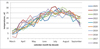 |
Fig. 1 Ten-day temperatures of the growing season in Zaporizhia. |
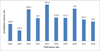 |
Fig. 2 Total precipitation (mm) for March-September of each research year in Zaporizhia. |
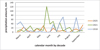 |
Fig. 3 Precipitation during the growing season in Zaporizhia, for the most contrasting years of cultivation. |
2.2 Materials and experiments
2.2.1 Сastor bean
The Ricinus communis plant contains toxic and allergenic protein compounds, in particular ricin and agglutinin (RCA), which necessitates adherence to standard biosafety measures when working with plant material during cultivation, collection, and laboratory processing.
The castor bean collection of the Institute of Oilseed Crops of the NAAS currently comprises approximately 300 accessions and was formed on the basis of the global collection of the N.I. Vavilov Institute of Plant Genetic Resources, as well as materials obtained from Ukrainian research institutions. Long-term studies of the collection based on morphological traits have been conducted for about 20 yr (Odynets, 2017). Castor seeds retain their germination for a long time, so only a portion of the collection is grown each field season. All data were used to describe the general collection, and for quantitative indicators presented in the tables, data from the specific study years were used. The experimental material included 208 samples, most of which are lines, 6 old varieties and 4 commercial hybrids of Chinese origin. During long-term cultivation in Ukraine, some accessions originally maintained as populations became stabilized lines through repeated self-pollination.
We did not have the opportunity to grow the entire collection annually on large plots and establish its yield. However, in 2015, four production castor hybrids were received from the Zibo Academy of Agricultural Sciences: No. 5, 6, 8, 9. This allowed us to investigate their yield under our experimental conditions in 2015–2016 and compare them with several of our samples and varieties.
Field experiments were conducted at the experimental fields of the Institute of Oilseed Crops (Zaporizhia). Soil preparation followed conventional practices, including plowing and pre-sowing cultivation. Castor bean was sown manually at a spacing of 0.7 × 0.7 m, with two plants per hill and a final density of 40,000 plants per hectare. Plot size was 9.8 m2 for collection evaluation and 29.4 m2 for yield assessment with three repetitions. Yield and quality studies were conducted mainly in 2015, 2016, and 2018, while descriptive observations continued until 2023.
2.2.2 Safflower
The collection of safflower (Carthamus tinctorius) consists of 58 accessions of various origins. Among them, more than half are of Ukrainian origin and developed by our institute (Fig. 4). Some accessions had a local origin, while others were obtained from international collections many years ago. Over time, these materials were subsequently stabilized as populations or lines.
Five accessions from the collection are varieties of our own selection: Zhivchyk, Lahidny, Sonyachny, Astor, Dobrynya. The collection also includes accessions that had varietal origin: Gila, Safflire, Orange de Marocco, Milyutinsky 114. Unfortunately, these accessions exhibited segregation for certain traits. Most of the collection are lines created by self-pollination of various materials, including from crosses. During the growing season, the accessions differ in phenology within a range of 10–14 days. This is most clearly observed during plant flowering, when 50% of each sample flower from June 24 to July 10. Full ripening occurs from August 1 to 25. Moreover, in most years of cultivation it occurs simultaneously in most accessions. Only in some years, the insufficient moisture in August delays ripening and distinguishes the accessions from each other.
Safflower was sown in the spring in the collection plots manually, in a row method with a row spacing of 0.35 m and a row length of 2 m. The area of the plots was at least 1.4 m2, in some experiments up to 4.2 m2. The studies were conducted from 2011 to 2025. Each sample was studied for at least 3 yr.
Individual insulators for safflower were made of SUF No. 30, and insulators for castor bean were made of dense parchment.
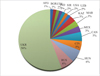 |
Fig. 4 Distribution of safflower collection by origin. |
2.3 Measurements
Measurements of individual plants of both crops were carried out on at least five plants annually using a ruler. Seeds were threshed using a small-plot combine harvester, each sample was cleaned separately using an օդ-flow system, seeds were counted manually, and yield and thousand-seed weight were calculated. Yield data and seed analysis were recorded from the total plot area. But seeds for future sowing were always obtained from isolated plants.
To obtain average values, the results of at least 3 yr of research were used. The collection was described using UPOV methods (International Union for the Protection of New Varieties of Plants, 2018, 2023). The oil content in the seeds was determined in the analytical laboratory of the Institute of Oilseeds using the DSTU method (DSTU 7577:2014 Oilseeds. Determination of oil content by extraction method in a Soxhlet apparatus: [Actual from 2014-01-01] / Editor. ‒ K: Derzhstandart Ukrainy, 2014. ‒ P. 23.). The composition of oilseeds was also determined in the laboratory using DSTU 30418-96. (DSTU 30418-96 Vegetable oils. Method of fatty acid composition determination: [Actual from 1996-01-01] K: Derzhstandart Ukraíni, 1996. P 8).
The content of total protein in plant raw materials was determined by the Kjeldahl method. (DSTU ISO 20483:2016 Cereals and legumes. Determination of nitrogen and crude protein content by the Kjeldahl method (ISO 20483:2013, IDT)). The institute's laboratory does not have the capacity to determine individual types of proteins, including those of castor bean.
Statistical analysis was performed using standard methods implemented in Microsoft Excel, and ANOVA analysis was also performed using the online tool Online Statistics Calculator. Statistical analysis was performed using standard methods implemented in Microsoft Excel, and ANOVA1 analysis was also performed using the online tool Online Statistics Calculator2 (https://statisty.app/?utm_source=chatgpt.com).
3 Results and discussion
3.1 Castor bean collection
The main issue for any crop introduced into agricultural production is yield. In 2015, four production castor hybrids were received from the Zibo Academy of Agricultural Sciences: No. 5, 6, 8, 9. This allowed us to study their yield in our conditions in 2015–2016 and compare them with several of our genetic resources and varieties. The selection of four Chinese commercial hybrids (No. 5, 6, 8, 9) was based on their claimed high yield potential and adaptability, allowing comparison with locally adapted genetic resources in Ukrainian agroclimatic conditions. The results of the study of yield on the plots are presented in Table 1. Yield was estimated from 28 m2 plots arranged in a completely randomized design with three replicates and a plant density of 40,000 plants per hectare. The obtained yields were not high. However, this allowed the identification of more productive and better-adapted accessions for the steppe zone of Ukraine. The results of the analysis of variance (ANOVA) showed a statistically significant effect of the variety factor on yield (F(21) = 22.37; p < 0.01).
The highest yield of 2.96 t/ha was found in the sample Selection No. 38 developed by our institute, which had a ricinoleic acid content of 91% and the highest oil content of 63%. Typically, castor oil contains 87–90% ricinoleic acid (Landoni et al., 2023), however, under our conditions, castor oil samples have from 63% ricinoleic acid to 91%. This may be attributed to growing conditions; however, this aspect has been insufficiently studied. The results of studying castor oil in Chile in areas with a lack of moisture showed an oil content of 42–54%, which is significantly lower than our results of 50 to 63%. The ricinoleic acid content in them was 72–92%, which is close to our results: 74–92%. (Román-Figueroa et al., 2020)
The yield of Chinese hybrids was relatively low. The highest was 1.1 t/ha for hybrid No. 5. The productivity of Chinese hybrids in our agroclimatic conditions was significantly lower than the yield indicated in advertising materials, which indicates a strong interaction of genotype × environment. The conditions of the Zaporizhia region cannot, as it turned out, provide high yields of the tested hybrids; this is likely due primarily to the lack of moisture in the soil and possibly to other conditions. In the best years, yields of up to 2 t/ha were observed under production conditions.
Among the accessions grown in the experiment, historical varieties Shcherbinovskaya and Kubanskaya 15, a variety of the Institute of Oilseed Crops selection Khortytska 3, which was in the Register of Varieties of Ukraine since 2001, are presented. The data obtained indicate that the old varieties had a rather low yield, which may be due to the difficulties of preserving the variety in the system of genetic resources. However, the variety Khortytska 3, the seed production of which was carried out until recently by the Institute of Oilseeds, showed a high average yield of 2.48 t/ha, which is 0.6 t/ha higher than the average in the experiment.
The field-measured yield of castor bean in our conditions is close to 1 t/ga. Under the climatic conditions of the region, yield formation in castor bean largely depends on moisture availability during the first half of the growing season. Favorable moisture conditions promote the development of a well-formed main raceme, which contributes significantly to yield formation. However, secondary racemes often fail to fully develop due to either insufficient time for maturation under cooler conditions or rapid desiccation during hot and dry periods in the second half of the growing season. The latter scenario is observed more frequently. Therefore, breeding efforts have focused on the development of creating single-raceme forms, in which lateral branches are not formed. There are eight such specimens in the collection: K130, K374, K1427, K1372, K1074, K1080, K1126, K385.
The main collection of the Institute of Oilseeds is studied for potential yield at each reseeding. It is calculated by the weight of the main racemes from three plants in terms of the number of racemes per hectare. Such calculations considerably overestimate actual field yield. But with such a calculation it really turns out that a lot of castor oilseed accessions can provide 4 tons per hectare. So in 2018, with the yield calculated in this way, it was observed that five accessions had more than 4 t/ga: K1181, K451, K464, K472, and I 556861.
A study of the yield of castor bean varieties Gromada, Khortytska 3, and Khortytska 1 in the agrotechnical experiment of our institute, conducted in 2000–2002, showed a yield within 1.43–1.77 t/ha (Vasylenko, 2003). These years were wetter and more favorable in terms of weather conditions than 2015–2016. Therefore, the presence of a higher yield is understandable.
The second important component is seed oil content. Román-Figueroa, S. et al. (2020) indicate a typical oil content of 45–51%. However, in our studies, this trait for castor oil is always very high, almost always above 50%. This characteristic may negatively affect the mechanization of its harvesting and cleaning. According to the results of the study of the processing of castor oil and feed, one of the main challenges is the high oil content with a low content of carbohydrates, in particular cellulose (Shevchenko et al., 2009). In our collection, the oil content was measured in the experiment with production hybrids and in most of the collection accessions. In the experiment on the yield of 2015–2016 (Tab. 1) the oil content ranged from 50% to 63.4%. The highest oil content among Chinese hybrids was obtained in hybrid 8 (61.4%). However, many accessions fall within the margin of measurement error. The accessions with oil content higher than 61% were: K 1181, Petrovskaya, K903 and a sample of our own selection Otbor No. 38.
Therefore, it is not considered necessary to conduct breeding work to increase the percentage of oil content. One of the important issues of the prospects of the crop is the quality of the product. Castor oil has a unique composition, namely ricinoleic acid, which is not found in other oil crops. It provides important technical characteristics. In our study, fatty acid composition was determined according to DSTU 30418-96 (DSTU 30418-96 Vegetable oils. Method of determination of fatty acid composition: [Actual from 1996-01-01] K: Derzhstandart Ukraíni, 1996. P 8) in seeds of the harvest of 2015, 2016, 2018. According to the average indicators, values ranged from 68.57% to 91.01% (Fig. 5). Measurement error was generally within 3%, but the smallest significant error according to all studies was 4.6%. The identified potential for obtaining high-quality raw castor oil in the under the conditions of the Zaporizhia region was found to be sufficient. Thus, Roman-Figueroa, C. and co-authors (Muñoz-Alcayaga et al., 2023) in studies in the Chilean climate found a ricinoleic acid content of 87 to 89%. Therefore, our results indicate a wider genetic diversity of the collection.
Another important indicator of the presence of diversity is the mass of 1000 seeds. In studies of collections, variability was determined from 217 to 388 g (Nagarajan, 2019), from 223 to 565 g (Setayeshnasab, 2024). In our collection there are specimens with a mass of 1000 seeds from 140 to 508 g, although the main part – about 75% of the genetic resource – is in the range of 221–303 g. Our results are slightly lower than those reported by other researchers, but which may reflect less favorable growing conditions in Zaporizhia than in the study regions. Seed size is one of the important indicators by which castor oil subspecies are distributed. The Chinese subspecies is characterized by smaller seeds than the Indian subspecies, and the weedy subspecies of castor oil has the smallest seeds. The distribution of genetic resources by size is presented in Figure 6.
Accessions with very large seeds are usually less numerous than accessions with medium-sized seeds. Therefore, all created varieties and tested hybrids usually have not the largest mass of 1000 seeds, but somewhere up to 350–400 g no more.
According to the study of castor oil, a basic collection of 208 accessions originating from 34 countries was created. The collection describes 23 morphological traits with 103 gradations of their manifestation according to the UPOV methodology (International union for the protection of new varieties of plants, 2018) (Fig. 7).
The castor bean collection was characterized based on morphological traits: stem height and color, stem wax coating, stem height, stem: number of nodes to the central cluster, capsule size, capsule color, capsule cracking pattern, capsule spikiness, cluster: by shape, cluster by density, seed color, seed: corunculus by size, duration of the growing season, anthocyanin color of young leaves, petiole length, leaf blade length, leaf blade width, number of leaf blade blades, inflorescence length, female flowers: color of pistil before pollination. Morphological traits were also taken into account: number of clusters of the 2nd order, cluster by length of the productive part, seed size, yield, weight of 1000 seeds, oil content.
For all the characteristics of the VOS, standard accessions of various manifestations were selected. The most important characteristics for obtaining a high stable yield are the height of the plants, the number of clusters, and their size. Accordingly, in the collection, the number of clusters of the 2nd order is divided into three groups: small (1 pc) - K 374 (UE0300172), Olesya (UE0300122); medium (2–4 pcs) - Khortytskaya 3 (UE0300009), Kubanskaya 15 (UE0300010); large (>5 pcs) - Ophelia (UE0300017), Osennyaya rhapsody (UE0300323).
The size of the cluster by the length of the productive part had five gradations: very short (<10 cm) - K735 (UE0300183), K386 (UE0300070); short (11–20 cm) - Khortytska 3(UE0300009), Kubanskaya 15 (UE0300010); medium (21–30 cm) - Petrovskaya (UE0300004), Ofelia (UE0300017); long (31–40 cm) - K165 (UE0300043), K 93 (UE0300147); very long (>40 cm) - K 955 (UE0300195), K 409 (UE0300080).
The total number of castor oilseed accessions in the collection of the Institute of Oilseeds of the National Academy of Agrarian Sciences of Ukraine, formed as of 2025, is 300 accessions. Every year, selected accessions are re-sown to restore germination and described. Based on the results of these descriptions, a database was created, according to which valuable accessions individual morphological traits, with valuable quantitative indicators, resistance to fusarium wilt were selected.
The collection of the Institute of Oilseed Crops of the NAAS contains accessions of the source of the trait of early maturity, lack of branching, large panicle, female type of panicles (sterility for use in hybrids), etc. The available material allows creating new varieties and hybrids of castor oil adapted to cultivation in the conditions of southern Ukraine and cooperating with institutions of other countries at a decent level.
Results of castor oil testing at the Institute of Oilseeds of the National Academy of Sciences of Ukraine, Zaporizhia, 2015–2016.
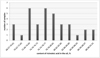 |
Fig. 5 Percentage distribution of castor oil collection samples by the content of ricinoleic acid in the oil. |
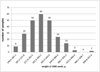 |
Fig. 6 Percentage distribution of castor bean collection accessions by weight of 1000 seeds. |
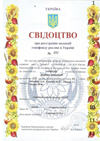 |
Fig. 7 Certificate of registration of the basic castor oil collection. |
3.2 Safflower collection
When growing safflower in Zaporizhia, agroecological conditions correspond well to the biological requirements for this plant. In very humid conditions, the vegetative parts are severely affected by the septoria fungus, which leads to the drying of the plant at any stage of development. Such conditions occur in Zaporizhia no more than once every 10 yr: very humid late June - early July occurs, which can result in almost complete crop loss. In other climatic conditions, safflower is well adapted for the climate. In particular, a cool spring for the development of safflower plants, and a dry hot summer are optimal for plant development.
The usual weather conditions of Zaporizhia provide safflower yields of about 2 t/ga the worst weather conditions, as for example, in 2012, when due to drought, sunflower failed completely, and oilseed flax reached only 10 cm in height, the safflower variety Zhivchik had a plant height of 50 cm and provided a yield of 1.2 t/ha.
The general yield characteristics of the best safflower accessions are presented in Table 2. According to the obtained yield data, the most productive were the accessions Krasnotsvetushchy, K497, K69, which showed a yield of 3 t/ha. They were also characterized by an early flowering date of June 28 - July 1. Later-ripening accessions do not fully realize their yield potential and, as mentioned above, often dry out (ripen) all at the same time.
In Greek studies of safflower, when using nitrogen fertilizers, yields of up to 3 t/ha were obtained (Dordas and Sioulas, 2008) and twice as low (Papadopoulos et al., 2023). In our experiments, fertilizers were not applied at all, therefore the obtained yield of individual accessions of 3 tons should be considered sufficient for the introduction of this crop into cultivation.
The data presented in Table 2 also show the characteristics of the plant that affect the possibilities of harvesting. First, all safflower in the steppe zone of Ukraine has an average plant height of 50 to 105 cm and a height of the lower lateral branch from 22 to 64 cm. This arrangement is well suited to conventional direct harvesting. Other researchers noted the difference in safflower under the influence of agroecological conditions only in plant height, while yield was at the same level of 1.4 t/ha (Licata et al., 2023). In a study of only two varieties Olas and Linas, plant height fluctuations from 82.3 to 158.7 cm were noted, and the number of baskets per plant from 4.15 to 9.47 pieces. (El Bey et al., 2021).
The number of capitula is a highly variable trait, which depends on the density of the plants, but with normal sowing in our accessions values ranged from 6 to 33 lateral capitula. The diameter of the basket in the collection was observed from 18 to 37 mm on average per sample. The diameter of the basket was measured only on the largest basket of one plant, which was usually central, or adjacent to the central one, as we observed injury or absence of the central basket. High-yielding accessions were characterized by a capitulum diameter of at least 25 mm, but the largest basket size does not always correspond to high yield and the largest size of 33 mm was observed in several late-ripening accessions that cannot show their potential in our conditions. Such accessions mainly leave the rosette stage later, have dark green and large leaves.
In the collection, safflower accessions differed quite a lot in the weight of 1000 seeds. From a rather small 30 g to the largest, which in some years was as much as 71 g in breeding specimens 92/1a and D6 (Fig. 8). In studies by other authors, the variability of this indicator was significantly lower, from 34.65 to 47.69 g (El Bey et al., 2021)
Important for future cultivation is the presence of seed quality. Qualities include huskiness, oiliness and oil composition. We also studied these parameters during the years of cultivation. The general definition of oiliness in seeds shows variability in different accessions in individual years from 11% to 38%. Other researchers observed oil content from 20.6 to 41.07% (El Bey et al., 2021; Licata et al., 2023; Thoday-Kennedy et al., 2023; Erbas et al., 2024).
In terms of oil composition, the analyses show mainly the classic oil content, where the content of oleic acid ranges from 8 to 17%, linoleic from 74 to 84%, palmitic from 3.8% to 7%. In small quantities of less than 1%, linolenic and myristic acids are also observed. When determining acids, myristic is quite volatile and is well determined in fresh accessions. Other studies show the presence of a high-oleic type of oil in safflower up to 74.5% (Thoday-Kennedy et al., 2023). Unfortunately, no such accessions were obtained in our collection. Individual plants that showed an increased content of oleic acid did not show stable expression and, accordingly, the highest content of oleic acid in individual accessions only approached 40%.
In 2016–2017, an experiment was conducted to determine the content of the main classes of substances in seeds: protein, carbohydrates, fat, husk and the composition of acids in the oil. Several of the most interesting accessions from this experiment and their results are presented in Table 3.
This table presents selected accessions of our own selection, which had the most interesting results. Thus, the lowest huskiness was found in 48% in sample 129/k. In the experiment with 32 accessions studied for huskiness, an average huskiness of up to 61% was observed. At that time, the carbohydrate content obtained from a portion of ground seeds ranged from 39 to 50%. No accessions with reduced husk content were identified in our collection, as reported by URIE, AL (URIE, 1986). The protein content was in the range from 13.8 to 20.0%. The accessions were selected for their oil content during the selection process, so oil content in the presented accessions started from 24%. The highest oil content was observed in the Zhivchik variety, which was in the register of plant varieties of Ukraine until 2025. The yield in 2016–2017 for the selected accessions was quite moderate, the highest at 1.95 t/ha was observed in the Hercules sample. But the most interesting selected accessions were in terms of oil composition. It was observed Sample 16 had less linoleic acid and up to 30% oleic acid.
According to the general characteristics, the Hercules sample was found in 2016–2017 with a high yield, husk content of 51%, and oil content of 27%. The subsequent crosses and selections allowed creating a new safflower variety Dobrynya.
Selected lines developed through breeding and supported by genetic resources allowed creating a genetic collection of safflower by morphological characteristics, which contains 25 accessions originating from 4 countries and information was provided on 24 characteristics and 71 gradations. The conducted studies on the genetics of morphological traits were published as separate studies (Leus and Vedmedeva, 2012; Leus, 2015, 2016) and summarized in a monograph (Vedmedyeva et al., 2022). As a result of this work, a number of lines with morphological marker traits with an established inheritance pattern were created: with red flower corolla color (Rosochka, BOPK2, Rassvet, 129/k); with dark orange flower corolla color (Ogonyok, Kurchavy); with light orange flower corolla color (Iskorka); with three types of yellow flower color (Medovyi, Medovyi 1, 157/1, Salyut); with white flower corolla color (Belotsvetkovyi Nekolyuchy); with pale yellow flower corolla (Yantar); with light green leaf color (Honey, Curly); with green leaf color (Rosochka, 157/1, Salyut); prickly with sharp leaflets of the wrapper and sharp leaves on the stem (BOPK2); non-thorny with round leaflets of the wrapper and round leaves on the stem (Rosochka); non-thorny with sharp leaflets of the wrapper and sharp leaves on the stem (Iskorka, Belotsvetkovy non-thorny); non-thorny with round leaflets of the wrapper and sharp leaves on the stem (Salyut, Rassvet); weakly prickly with thorns at the ends and along the edge of the leaf and sharp leaflets of the wrapper and sharp leaves on the stem (Kurchavy); weakly spiny with spines at the ends of the leaf and sharp leaflets of the wrapper and leaves on the stem (157/1).
Table 4 presents examples of the source of the corresponding manifestation of morphological characters.
In world research and publications, there are known publications on establishing the inheritance of individual traits (Narkhede et al., 1984; Golkar et al., 2009;Golkar and Karimi, 2019), which have never been published in the form of collections. Therefore, our generalized collection is quite interesting material for future selection.
The best yielding safflower samples from the IOC NAAS collection, average data for 2015, 2016, 2024, 2025.
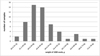 |
Fig. 8 Distribution of safflower collection by weight of 1000 seeds. |
Composition of safflower seed samples from the 2016–2017 seed quality experiment.
List of characteristics by which a genetic collection was created by morphological characteristics.
4 Conclusions
The study summarizes long-term collection and breeding research on castor bean and safflower conducted at the Institute of Oilseed Crops of the NAAS. Both crops demonstrate high potential for cultivation under conditions of climate change. Safflower can provide stable yields of edible oil under arid conditions, while castor bean offers a unique source of technical and medicinal oil with exceptional fatty acid composition. The evaluated collections constitute a valuable foundation for future breeding and international cooperation.
Funding
This work was supported by National Academy of Agricultural Sciences of Ukraine.
Conflicts of interest
The authors declare that they have no conflicts of interest concerning this work.
References
- Anjani K. 2012. Castor genetic resources: a primary gene pool for exploitation. Ind Crops Prod 35(1): 1–14. https://doi.org/10.1016/j.indcrop.2011.06.011 [Google Scholar]
- Armendáriz J, Lapuerta M, Zavala F, García-Zambrano E, Ojeda M. 2015. Evaluation of eleven genotypes of castor oil plant (Ricinus communis L.) for the production of biodiesel. Ind Crops Prod 77: 484–490. https://doi.org/10.1016/j.indcrop.2015.09.023 [Google Scholar]
- Ciaramella B, Corinzia S, Cosentino S, Testa G. 2022. Phytoremediation of heavy metal contaminated soils using safflower. Agronomy-Basel, 12(10). https://doi.org/10.3390/agronomy12102302 [Google Scholar]
- Cullerne D, Fjellheim S, Spriggs A, Eamens A, Trevaskis B, Wood C. 2021. A vernalization response in a winter safflower (Carthamus tinctorius) involves the upregulation of homologs of FT, FUL, and MAF. Front Plant Sci 12. https://doi.org/10.3389/fpls.2021.639014 [Google Scholar]
- Dordas CA, Sioulas C. 2008. Safflower yield, chlorophyll content, photosynthesis, and water use efficiency response to nitrogen fertilization under rainfed conditions. Ind Crops Prod 27(1): 75–85. https://doi.org/10.1016/j.indcrop.2007.07.020 [Google Scholar]
- DSTU 30418-96 Masla rastitel'nyye. Metod opredeleniya zhirnokislotnogo sostava: [Deystvitelen ot 1996-01-01] K: Derzhstandart Ukraíni, 1996. P 8 (DSTU 30418-96 Vegetable oils. Method for determination of fatty acid composition: [Valid from 1996-01-01] K: State Standard of Ukraine, 1996. P. 8.) https://online.budstandart.com/ua/catalog/doc-page.html?id_doc=91678 [Google Scholar]
- DSTU 7577:2014 Nasinnya oliyne. vyznachennya vmistu oliyi metodom ekstraktsiyi v aparati Soksleta: [Deystvytelen ot 2014-01-01]. K: Derzhstandart Ukrayiny, 2014. P. 23. (DSTU 7577:2014 Oilseeds. Determination of oil content by extraction method in a Soxhlet apparatus: [Valid from 2014-01-01]. K: Derzhstandart Ukrainy, 2014. P. 23.) https://online.budstandart.com/ua/catalog/doc-page.html?id_doc=89229 [Google Scholar]
- El Bey N, Göre M, Kurt O. 2021. Effect of sowing date on some agronomical and technological traits of safflower (Carthamus tinctorius L.) in Northern Turkey. Turk J Field Crops 26(2): 188–194. https://doi.org/10.17557/tjfc.941575 [Google Scholar]
- Erbas S, Baydar H, Hatipoglu H, Koç H, Babaoglu M, Köse A. 2024. Genotypic and environmental variability and stability of seed yield, oil content and fatty acids in high-oleic and high-linoleic safflower (Carthamus tinctorius L.) lines and cultivars. Czech J Genet Plant Breed 60(1): 1–11. https://doi.org/10.17221/113/2022-CJGPB [Google Scholar]
- Fan K, Qin Y, Hu X, et al. 2023. Identification of genes associated with fatty acid biosynthesis based on 214 safflower core germplasm. BMC Genomics 24(1). https://doi.org/10.1186/s12864-023-09874-5 [Google Scholar]
- Golkar P, Arzani A, Rezaei A, Yarali Z, Yousefi M. 2009. Genetic variation of leaf antioxidants and chlorophyll content in safflower. Afr J Agric Res 4(12): 1475–1482. [Google Scholar]
- Golkar P, Karimi S. 2019. Safflower (Carthamus tinctorius L.) breeding. Adv Plant Breed Strategies: Ind Food Crops 6: 537–575. https://doi.org/10.1007/978-3-030-23265-8_14 [Google Scholar]
- International union for the protection of new varieties of plants 2018. 'Guidelines for the conduct of tests for distinctness, uniformity and stability common CASTOR BEAN UPOV Code(s): RICIN_COM Ricinus communis L'. https://www.upov.int/edocs/mdocs/upov/en/twa_47/tg_ricin_proj_4.pdf. (last consult: 2026/23/12) [Google Scholar]
- International union for the protection of new varieties of plants 2023. 'Guidelines for the conduct of tests for distinctness, uniformity and stability common SAFFLOWER UPOV Code(s): CARTH_TIN Carthamus tinctorius L.'. https://www.upov.int/edocs/mdocs/upov/en/twa_52/tg_134_4_proj_1.pdf (last consult: 2026/23/12) [Google Scholar]
- Landoni M, Bertagnon G, Ghidoli M, Cassani E, Adani F, Pilu R. 2023. Opportunities and challenges of castor bean (Ricinus communis L.) genetic improvement. Agronomy-Basel, 13(8). https://doi.org/10.3390/agronomy13082076 [Google Scholar]
- Lavanya C, Reddy A, Dutta B, Bandopadhyay R. 2018. Classical genetics, cytogenetics, and traditional breeding in castor bean. Castor Bean Genome. 2018-01-01. pp. 33–65. [Google Scholar]
- Leus T. 2015. Nasledovaniye zheltoĭ okraski u saflora krasil'nogo, Carthamus Tinctorius L. Vavilovskiy Zhurnal Genetiki i Selektsii, 19(1): 58–62. [Leus, T. 2015. Inheritance of yellow coloration in safflower, Carthamus tinctorius L. Vavilov Journal of Genetics and Breeding, 19(1): 58-62] https://www.researchgate.net/publication/283683541_Inheritance_of_yellow_colour_in_safflower_Carthamus_tinctorius_L/fulltext/58a159dfaca272046aad6bea/Inheritance-of-yellow-colour-in-safflower-Carthamus-tinctorius-L.pdf [Google Scholar]
- Leus TV. 2016. Tipy vzaimodeystviya genov pri nasledovanii okraski tsvetkov u saflora krasil'nogo. Biol Commun 4: 108–116. [Leus TW. 2016. Gene interaction patterns in the inheritance of flower color in safflower. Biol Commun 4: 108–116.] https://cyberleninka.ru/article/n/tipy-vzaimodeystviya-genov-pri-nasledovanii-okraski-tsvetkov-u-saflora-krasilnogo [Google Scholar]
- Leus T, Vedmedeva E. 2012. Nasledovanye pryznaka beloy okrasky tsvetkov u nekotorykh obraztsov saflora krasylʹnoho (Carthamus tinctorius L.). Visnyk Kharkivsʹkoho natsionalʹnoho ahrarnoho universytetu. Seriya: Biolohiya, (1): 92–95. [Leus T, Vedmedeva E. 2012. Inheritance of the trait of white flower color in some samples of safflower (Carthamus tinctorius L.). Bulletin of the Kharkiv National Agrarian University. Series: Biology, (1): 92–95.] https://vbio.knau.kharkov.ua/uploads/visn_biology/2012/1_25/2012.01.092-095.Leus_Vedmedeva.pdf [Google Scholar]
- Li D, Wang Q, Xu X, et al. 2021. Temporal transcriptome profiling of developing seeds reveals candidate genes involved in oil accumulation in safflower (Carthamus tinctorius L.). BMC Plant Biol 21(1). https://doi.org/10.1186/s12870-021-02964-0 [Google Scholar]
- Licata M, Farruggia D, Iacuzzi N, Matteo R, Tuttolomondo T, Di Miceli G. 2023. Effects of genotype and climate on productive performance of high oleic carthamus tinctorius L. under rainfed conditions in a semi-arid environment of sicily (Italy). Plants-Basel, 12(9). https://doi.org/10.3390/plants12091733 [Google Scholar]
- McKeon T, Auld D, Brandon D, Leviatov S, He X. 2014. Toxin content of commercial castor cultivars. J Am Oil Chem Soc 91(9): 1515–1519. https://doi.org/10.1007/s11746-014-2505-3 [Google Scholar]
- Muñoz-Alcayaga C, Soto J, Román-Figueroa C, Paneque M. 2023. Ex situ conservation of atriplex taltalensis IM Johnst. via in vitro culturing of its axillary shoots. Diversity-Basel, 15(1). https://doi.org/10.3390/d15010013 [Google Scholar]
- Nagarajan S, Viswanathan P, Venkatachalam SR, Manickam S, Ganapathi N. 2019. Genetic divergence analysis of castor (Ricinus communis L.). Electron J Plant Breed 10: 754–760. [Google Scholar]
- Narkhede BN, Deokar AB, Patil JV. 1984. Phenotypic stability for seed yield in safflower. J Maharashtra Agric Univ 9(2): 179–181. https://isor.in/wp-content/uploads/2022/10/vol-16-1-1999.pdf [Google Scholar]
- Neto S, Ramos A, Oliveira C, Da Silva E, Zanotto M. 2022. Genetic divergence and physiological quality of dwarf castor bean lines seeds. Pesquisa Agropecuaria Tropical 52. https://doi.org/10.1590/1983-40632022v5271010 [Google Scholar]
- Odynetsʹ S. 2017. Osoblyvosti pihmentatsiyi kolektsiynykh zrazkiv rytsyny zvychaynoyi. Naukovo-tekhnichnyy byuletenʹ Instytutu oliynykh kulʹtur NAAN, 24: 29–38. [Odynets S. 2017. Peculiarities of pigmentation of castor bean collection samples. Scientific and technical bulletin of the Institute of Oilseeds of the NAAS, 24: 29–38.] https://www.bulletin.imk.zp.ua/pdf/2017/24/Odinets_24.pdf [Google Scholar]
- Papadopoulos G, Mavroeidis A, Roussis I, Kakabouki I, Stavropoulos P, Bilalis D. 2023. Evaluation of tillage & fertilization in Carthamus tinctorius L. using remote sensing. 4: 100158. https://doi.org/10.1016/j.atech.2022.100158 [Google Scholar]
- Ramanjaneyulu A, Reddy A, Madhavi A. 2013. The impact of sowing date and irrigation regime on castor (Ricinus communis L.) seed yield, oil quality characteristics and fatty acid composition during post rainy season in South India. Ind Crops Prod 44: 25–31. https://doi.org/10.1016/j.indcrop.2012.10.008 [CrossRef] [Google Scholar]
- Román-Figueroa C, Cea M, Paneque M, González M. 2020. Oil content and fatty acid composition in castor bean naturalized accessions under mediterranean conditions in chile. Agronomy-Basel 10(8). https://doi.org/10.3390/agronomy10081145 [Google Scholar]
- Setayeshnasab M, Sabzalian MR, Rahimmalek M. 2024. The relation between apomictic seed production and morpho-physiological characteristics in a world collection of castor bean (Ricinus communis L.). Sci Rep 14: 5013. https://doi.org/10.1038/s41598-024-53700-1 [Google Scholar]
- Severino LS, Cordoba GOJ, Zanotto MD, Auld DL. 2012. The influence of the caruncle on the germination of castor seed under high salinity or low soil water content. Seed Sci Technol 40: 139–143. https://doi.org/10.15258/sst.2012.40.1.18 [Google Scholar]
- Shevchenko I, Didur VA, Dydur VA, Panov S, Troyitsʹka O, Bezpalov R. 2009. Opys do patentu na korysnu modelʹ№ 43269" Sposib detoksykatsiyi vidkhodiv pererobky rytsyny" [Shevchenko I, Didur VA, Didur VA, Panov S, Troitska O, Bezpalov R. 2009. Description to the patent for utility model No. 43269 "Method of detoxification of castor oil processing waste".] http://elar.tsatu.edu.ua/handle/123456789/8499 [Google Scholar]
- Thoday-Kennedy E, Banerjee B, Panozzo J, et al. 2023. Dissecting physiological and agronomic diversity in safflower populations using proximal phenotyping. Agriculture-Basel 13(3). https://doi.org/10.3390/agriculture13030620 [Google Scholar]
- Urie A. 1986. Inheritance of partial hull in safflower. Crop Sci 26(3): 493–498. https://doi.org/10.2135/cropsci1986.0011183X002600030011x [Google Scholar]
- Vasylenko N. 2003. Vplyv hustoty stoyannya roslyn ta strokiv posivu nasinnya na produktyvnistʹ riznykh sortiv rytsyny. Naukovo-tekhn. byul. IOK UAAN. Zaporizhzhya, 226-228. [Vasylenko N. 2003. The influence of plant density and seed sowing dates on the productivity of different castor bean varieties. Scientific and technical bulletin of the Institute of Organic Chemistry of the Ukrainian Academy of Sciences Zaporizhzhia, 8: 226-228.] [Google Scholar]
- Vedmedyeva K, Polyakov O, Leus T, Aliyeva O, Nikitenko O. 2022. Saflor: monohrafiya. Kyyiv: Ahrarna nauka, p. 160. [Vedmedeva K, Polyakov O, Leus T, Alieva O, Nikitenko O. 2022. Safflower: monograph. Kyiv: Agrarna nauka, p. 160.] http://imk.zp.ua/index.php/naukovi-vydannia/monohrafii/399-2022 [Google Scholar]
- Xishun Z, Jianguo Y, Ruohan Y, Ningsheng X, Xuyun L, Gang D. 2006. Study of the relationship between genetic distance and heterosis in castor. Sci Agric Sinica 39(3): 633–640. [Google Scholar]
- Yeboah A, Shuailei G, Jiannong L, et al. 2022. Evaluation of harvest index in castor hybrids combinations. Chin J Oil Crop Sci 44(4): 860–868. [Google Scholar]
- Zanetti F, Angelini L, Berzuini S, et al. 2022. Safflower (Carthamus tinctorius L.) a winter multipurpose oilseed crop for the mediterranean region: lesson learnt from on-farm trials. Ind Crops Prod 184. https://doi.org/10.1016/j.indcrop.2022.115042 [Google Scholar]
Cite this article as: Кaterina Vedmedeva, Tatiana Machova, Olha Aliieva, Irina Poliakova. 2026. Biological potential of castor bean (Ricinus communis L.) and safflower (Carthamus tinctorius L.) under Ukrainian conditions. OCL 33: 23. https://doi.org/10.1051/ocl/2026014
All Tables
Results of castor oil testing at the Institute of Oilseeds of the National Academy of Sciences of Ukraine, Zaporizhia, 2015–2016.
The best yielding safflower samples from the IOC NAAS collection, average data for 2015, 2016, 2024, 2025.
Composition of safflower seed samples from the 2016–2017 seed quality experiment.
List of characteristics by which a genetic collection was created by morphological characteristics.
All Figures
|
Fig. 1 Ten-day temperatures of the growing season in Zaporizhia. |
| In the text | |
|
Fig. 2 Total precipitation (mm) for March-September of each research year in Zaporizhia. |
| In the text | |
|
Fig. 3 Precipitation during the growing season in Zaporizhia, for the most contrasting years of cultivation. |
| In the text | |
|
Fig. 4 Distribution of safflower collection by origin. |
| In the text | |
|
Fig. 5 Percentage distribution of castor oil collection samples by the content of ricinoleic acid in the oil. |
| In the text | |
|
Fig. 6 Percentage distribution of castor bean collection accessions by weight of 1000 seeds. |
| In the text | |
|
Fig. 7 Certificate of registration of the basic castor oil collection. |
| In the text | |
|
Fig. 8 Distribution of safflower collection by weight of 1000 seeds. |
| In the text | |
Current usage metrics show cumulative count of Article Views (full-text article views including HTML views, PDF and ePub downloads, according to the available data) and Abstracts Views on Vision4Press platform.
Data correspond to usage on the plateform after 2015. The current usage metrics is available 48-96 hours after online publication and is updated daily on week days.
Initial download of the metrics may take a while.