


| Issue |
OCL
Volume 33, 2026
|
|
|---|---|---|
| Article Number | 26 | |
| Number of page(s) | 10 | |
| Section | Technology | |
| DOI | https://doi.org/10.1051/ocl/2026018 | |
| Published online | 28 July 2026 | |
Research article
Shear-crystallization in beeswax oleogels: structural modulation and insights
Cristallisation sous cisaillement dans les oléogels à la cire d'abeille : modulation de la structure et nouveaux éclairages.
Department of Chemical Engineering, Faculty of Chemical Engineering and Food Technology, Nong Lam University, HCM City, Vietnam
* Corresponding author: This email address is being protected from spambots. You need JavaScript enabled to view it.
Received:
22
January
2026
Accepted:
22
June
2026
Abstract
Oleogels are increasingly recognized as promising materials for food and cosmetic applications, yet their industrial production still faces major challenges due to limited understanding of cooling treatments. This study presents the first systematic comparison of static versus shear-crystallization in coconut–sunflower oil oleogels structured with beeswax (7.5–12.5% w/w) at 20 °C and 30 °C. Texture and rheological analyses confirmed that static-crystallized oleogels exhibited significantly higher firmness and yield viscosity, while shear-crystallized samples formed softer, shear-thinning gels with lower yield viscosity. However, polarized light microscopy revealed that static crystallization promoted the formation of unwanted large granular crystals (>100 μm), attributed to post-crystallization of high-melting fractions during storage. In contrast, shear-induced crystallization produced finer, more uniform crystal networks (3.0–4.6 μm). These findings highlight shear-crystallization as a novel and effective approach for regulating crystal growth in beeswax oleogels, offering controlled pathways to improve stability and overall quality for industrial food and cosmetic products.
Résumé
Les oléogels sont de plus en plus reconnus comme des matériaux prometteurs pour les applications alimentaires et cosmétiques. Toutefois, leur production à l'échelle industrielle reste confrontée à d'importants défis, en raison d'une compréhension encore limitée des traitements de refroidissement. Cette étude présente la première comparaison systématique entre la cristallisation statique et la cristallisation sous cisaillement dans des oléogels à base d'un mélange d'huiles de coco et de tournesol, structurés par de la cire d'abeille (7,5–12,5 % m/m), à 20 °C et 30 °C. Les analyses de texture et les mesures rhéologiques ont confirmé que les oléogels obtenus par cristallisation statique présentaient une fermeté et une viscosité de seuil significativement plus élevées, tandis que les échantillons cristallisés sous cisaillement formaient des gels plus souples, rhéofluidifiants, avec une viscosité de seuil plus faible. Cependant, les observations en microscopie à lumière polarisée ont montré que la cristallisation statique favorisait la formation de gros cristaux granulaires indésirables (> 100 µm), attribués à une post-cristallisation des fractions à haut point de fusion au cours du stockage. À l'inverse, la cristallisation induite par cisaillement produisait des réseaux cristallins plus fins et plus homogènes (3,0–4,6 µm). Ces résultats mettent en évidence la cristallisation sous cisaillement comme une approche innovante et efficace pour contrôler la croissance des cristaux dans les oléogels à la cire d'abeille, ouvrant des perspectives pour améliorer la stabilité et la qualité globale des produits alimentaires et cosmétiques à l'échelle industrielle.
Key words: oleogel / beeswax / coconut oil / shear-crystallization
Mots clés : Oléogel / cire d'abeille / huile de coco / cristallisation sous cisaillement
© T.T.P. Tran et al., Published by EDP Sciences, 2026
 This is an Open Access article distributed under the terms of the Creative Commons Attribution License (https://creativecommons.org/licenses/by/4.0), which permits unrestricted use, distribution, and reproduction in any medium, provided the original work is properly cited.
Highlights:
Oleogels showed shear-thinning behavior and yield viscosity rose with beeswax content.
Static crystallization produced firmer gels but heterogeneous structures prone to large crystal growth.
Shear-crystallization formed uniform fine crystals and weaker gels that strengthened during 2–4 weeks of storage.
Stronger shear produced smaller crystals, improved homogeneity, and enhanced stability.
1 Introduction
Oleogels are innovative structured fat systems formed by entrapping liquid oils within a solid three-dimensional network (Martins et al., 2020; Manzoor et al., 2022; Huang et al., 2023). Typically, the oil phase consists of edible vegetable oils, while the structuring agents include proteins, polysaccharides, or fat crystals (Qiu et al., 2018; Winkler-Moser et al., 2019; Silva et al., 2022). Among the various oleogelators, waxes are the most widely employed due to their low toxicity, reasonable cost, and high crystallization capacity. Over the past decade, numerous oleogel systems have been successfully developed using candelilla wax, beeswax, sunflower wax, and rice bran wax (Thakur et al., 2023; Frolova et al., 2022; Doan et al., 2018).
Oleogels exhibit unique rheological properties by combining both liquid-like and solid-like behaviors, making them promising candidates for diverse applications in the food and cosmetic industries (Liu et al., 2024; Pawar et al., 2024). In food systems, their high content of unsaturated fatty acids allows oleogels to serve as healthier fat alternatives in products such as margarine, sausages, and chocolate spreads (Silva et al., 2021; Ozer et al., 2023; Zhang et al., 2023; Tirgarian et al., 2023). Moreover, diacylglycerol oil-based oleogels have recently been incorporated into peanut butter formulations to reduce phase separation and improve fat stability during storage (Ding et al., 2024). In cosmetics, oleogels are increasingly used in skin-care formulations, where they enhance moisture retention, slow down skin aging, and act as carriers for bioactive compounds (Yaqoob et al., 2024; Yan et al., 2025; Smeu et al., 2025; Hanifah et al., 2018).
Despite these advantages, large-scale industrial production of oleogel remains challenging. Conventional preparation methods include static crystallization of oil mixtures (direct method) and freeze-drying of oil-in-water emulsions (indirect method) (Doan et al., 2018). The indirect method is limited by homogenization and dehydration efficiency, while the direct method often produces non-uniform structures (Liu et al., 2024). Besides, common industrial fat-based products such as margarine and shortening typically employ shear-induced crystallization to enhance structural homogeneity (Nguyen et al., 2020), rather than relying on static crystallization. Recent investigations into monoacylglyceride oleogels have shown that strong shear can accelerate polymorphic transitions of fat crystals (Rondou et al., 2025). Similarly, shear-crystallization has been reported to produce smaller crystals and greater plastic dissipation in oleogel microstructures compared to static crystallization (Werner-Carcamo et al., 2023). Nevertheless, the mechanistic understanding of shear-crystallization in oleogels remains limited, with most studies conducted on small sample volumes.
To address these gaps, the present study investigated the effects of shear versus static crystallization on the structural and rheological properties of beeswax-structured oleogels prepared from coconut–sunflower oil blends, which are common ingredients in cosmetic formulations. Crystallization was performed at 20 °C and 30 °C using a benchtop crystallizer, and the resulting oleogels were characterized through texture analysis, rheometry, and polarized light microscopy to elucidate how processing conditions influence microstructure and stability.
2 Materials and methods
2.1 Materials
Coconut oil and sunflower oil were purchased from a local supplier. Beeswax (BW) was provided by Cosman Chemical (China). The major fatty acids in BW included palmitic acid (14.02%), n-docosane (2.03%), linoleic acid (1.41%), 2-methyloctacosane (16.54%), stearic acid (9.40 %) and pentacosane (56.43%).
2.2 Sample preparation
The formulation of oleogels was summarized in Table 1 and Figure 1. Briefly, sunflower and coconut oils were mixed together with a ratio of 1:1 (w/w) at 45 °C for 10 minutes while beeswax was completely melted at 60 °C (according to the supplier’s guidelines). Then melted BW was added to vegetable oils at different concentrations (7.5–12.5%, w/w) (Sivakanthan et al., 2024; Werner-Carcamo et al., 2025). For static crystallization (SC), the mixtures were slowly cooled at 30 °C and 20 °C (using incubator and cooling chambers).
For shear-crystallization (SH), 1000 mL mixtures were cooled to 30 and 20 °C at rotational speeds of 30 rpm and 45 rpm using a benchtop crystallizer (LR1000, IKA, Germany) equipped with an anchor stirrer. The cooling was conducted by using a circulating refrigerator bath (TC150-MX, Brookfield, USA).
All samples were placed into plastic cups (40 mm in diameter), each containing 35 g, and stored at 30 °C and 20 °C for 28 days.
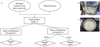 |
Fig. 1 Oleogel formulations (a: schematic diagram, b: benchtop crystallizer, c: oleogel). |
Oleogels formulation
2.3 Texture analysis
For large deformation analysis, the firmness of oleogel was determined by a texture analyser (TA.XT, Stable Microsystem, UK) equipped with a cylinder probe (diameter of 30 mm) using the compression mode. The penetration depth was 10 mm (50% of sample height) and the test speed was 1 mm/s. The data was obtained by software Exponent 6.0 (Stable Microsystem, UK). Measurement tests were conducted after 2 hours, 2 days, 7 days, 14 days and 28 days of storage.
2.4 Rheological analysis
For small deformation analysis, viscosity profiles of oleogel were determined using a rheometer (DVT2-EXTRA, Brookfield, USA) equipped with a vane spindle (V-73). Measurements were performed across a rotational speed range of 1–200 rpm, and data acquisition was carried out using RheocalcT 1.0 software (Brookfield, USA). All tests were conducted after 28 days of storage.
2.5 Polarization microscopy
The morphology of fat crystals in oleogels was examined using a polarized light microscope (DM2500P, Leica, Germany) equipped with a digital camera (DFC450, Leica, Germany). Images were captured using LAS v4.6 software (Leica, Germany), and crystal particle size was quantified with ImageJ software (NIH, USA). Measurement tests were conducted after 2 days, 14 days and 28 days of storage.
2.6 Statistical analysis
All measurements were conducted triplicated. Two-way ANOVA and Least Significant Difference (LSD) were applied to evaluate the effect of beeswax content and storage time on the textural properties of oleogel. Statistical analysis was conducted using software SPSS (v16, IBM, USA) with a significant difference of 0.05.
3 Results and discussion
3.1 Oleogel formation
The influence of beeswax concentration and crystallization process on oleogel formation is presented in Figure 2. In static-crystallized samples, oleogels were successfully formed at 30 °C only when the oleogelator concentration exceeded 10% (samples SC-10 and SC-12.5). At lower beeswax concentrations, the crystal network was insufficient to immobilize the liquid phase (Han et al., 2022). When the crystallization temperature was reduced to 20 °C, oleogel formation was observed even in sample SC-7.5, as partial crystallization of coconut oil near room temperature contributed to strengthening the microstructure (Thomas et al., 2023; Dhulipalla et al., 2023). In contrast, the behavior of shear-crystallized samples was more complex. At both investigated temperatures, SH samples remained in the liquid phase (weak gels) immediately after crystallization (Fig. 1) and the transition mainly occurred during storage accompanying with the slow increase of gel firmness (Fig. 3). Similar delayed solidification has been reported in previous studies on shear-crystallization of vegetable oil blends (Nguyen et al., 2020, 2021). This phenomenon can be explained by the effect of shear flow, which suppresses crystal agglomeration. Consequently, the development of a continuous crystal network occurs progressively during storage through sintering between dispersed fat crystals.
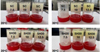 |
Fig. 2 Static-(SC) and shear-crystallized (SH30) oleogels (7.5, 10 and 12.5% BW) at different temperatures (20 and 30 °C). |
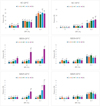 |
Fig. 3 Firmness of static- (SC) and shear-crystallized (SH) oleogels (7.5, 10, 12.5% BW) during storage at different temperatures (20 and 30 °C). Values followed by different letters (a, b, c, d and e) indicate significant differences among sample means during storage (p < 0.05). Values followed by different numbers (1, 2 and 3) indicate significant differences (p < 0.05) among sample means with varying beeswax (BW) content. |
3.2 Texture and rheological properties
The effect of oleogelator concentration and crystallization method on the texture properties of oleogels is summarized in Figure 3. Firstly, the firmness of static-crystallized samples was higher than those of shear-crystallized samples, consistent with previous reports on dynamic crystallization of vegetable oils (Doan et al., 2018; Nguyen et al., 2020, 2021). In the absence of shear flow (SC samples), fat crystals of beeswax and coconut oil could be formed at 30 °C and 20 °C, respectively, creating a rigid shell that entrapped the remaining liquid oil (such as sunflower oil). Consequently, the mechanical resistance of these samples was strongly influenced by crystallization temperature and oleogelator concentration. Higher beeswax content resulted in greater firmness, while lower crystallization temperatures also enhanced firmness due to the crystallization of coconut fat below 25 °C (Silva et al., 2022).
By contrast, SH30 and SH45 samples exhibited lower firmness and weaker gel networks. Agitation during cooling hindered crystal growth, resulting in less developed structures. However, their crystalline networks appeared more homogeneous compared with SC samples. For instance, structural collapse was frequently observed when pressing SC oleogels, whereas SH30 and SH45 maintained smoother gel structures (Supplementary S1). Notably, post-crystallization was evident in SH samples but not clearly in SC oleogels. As shown in Figure 3, the firmness of SH30 and SH45 increased during storage at both tested temperatures, with this trend persisting for two to four weeks depending on storage conditions.
Besides large-deformation test, small-deformation rheological analysis is also conducted, and the results are summarized in Figure 4. The data revealed that beeswax oleogels are shear-thinning materials at both 20 and 30 °C. While static-crystallized samples (SC) exhibited a hard gel structure characterized by high yield viscosity, shear-crystallized oleogels (SH) displayed soft gel structures with lower yield viscosity. Consistent with the texture profile analysis, samples with higher beeswax concentrations demonstrated increased yield viscosity. In addition, all samples showed elevated yield stress when crystallized at lower temperatures, attributable to the crystallization of coconut fat between 20 and 30 °C. Agitation speed also exerted a considerable influence on oleogel microstructure. Although shear-crystallized samples generally formed weak gels, SH45 samples exhibited higher yield stress compared with SH30 samples at both investigated temperatures. This difference suggests that agitation intensity plays a role in network development. In static-crystallized oleogels, crystal network formation is primarily associated with crystal growth through heterogeneous nucleation. By contrast, the structural development of shear-crystallized oleogels appears to be governed by post-crystallization processes (Huang et al., 2024). In industrial fat-based products, tiny crystals typically form during cooling, and their subsequent aggregation entraps the liquid phase to generate weak gel structures. At higher agitation speeds during shear-crystallization, smaller fat crystals are produced, which promote more effective sintering and yield a stronger solid network during storage.
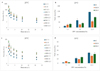 |
Fig. 4 Rheological properties of static- (SC) and shear-crystallized (SH) oleogels (7.5, 10 and 12.5% BW) at different temperatures (20 and 30 °C). |
3.3 Crystal growth
Polarized light microscopy (PLM) was employed to elucidate the microstructure of fat-based oleogels, with representative images shown in Figures 5 and 6. As expected, SC samples exhibited low structural homogeneity. At 30 °C, fat crystal formation was primarily driven by beeswax crystallization (Winkler-Moser et al., 2019; Tran et al., 2023), and the number of crystals increased with higher oleogelator content. At this temperature, most solid particles displayed a needle-like morphology (4.7–5.9 μm). However, at 20 °C, these crystals tended to aggregate into bundles and clusters (7.9–9.8 μm). This transformation was likely associated with the post-crystallization of coconut fat (Silva et al., 2022). When storage temperature was reduced below the melting point, coconut oil triacylglycerols were absorbed into pre-existing beeswax crystals, leading to heterogeneous crystallization and gradual growth of mixed crystals. After prolonged storage, unwanted spherulites (11.96–13.04 μm) and even large granular crystals (>100 μm) were observed in sample SC (Fig. 7), which may contribute to undesirable roughness or grainy texture in products.
In contrast, SH oleogels displayed more uniform microstructures, with only minor differences between samples. Most solid particles were tiny needle-like crystals (3.0–4.6 μm), and their abundance increased with beeswax concentration. During storage, crystal agglomeration could partly occur to form clusters (6.6–9.4 μm) but the aggregation was significantly limited, and large granular crystals were absent. Unlike the post-crystallization observed in SC samples, the phase transition of coconut oil in SH samples was effectively controlled by shear-crystallization. Under strong shear flow, triacylglycerols lacked sufficient time to aggregate, while beeswax and coconut fat crystals were continuously disrupted during cooling. This process promoted the formation of fine crystals and enhanced oleogel homogeneity. Because crystal growth was well-regulated during shear-crystallization, subsequent structural changes during storage were primarily driven by sintering between solid particles rather than agglomeration. Consequently, SH oleogels maintained a more consistent and stable microstructure during long-term storage compared with SC samples.
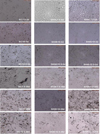 |
Fig. 5 Microstructure of static- (SC) and shear-crystallized (SH) oleogels (7.5, 10 and 12.5% BW) at 30 °C. Scale bar: 100 μm. |
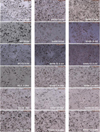 |
Fig. 6 Microstructure of static- (SC) and shear-crystallized (SH) oleogels (7.5, 10 and 12.5% BW) at 20 °C. Scale bar: 100 μm. |
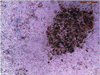 |
Fig. 7 Granular crystals in static-crystallized sample after one month storage. Scale bar: 100 μm. |
4 Conclusion
This is the first study to systematically compare static and shear-crystallization in beeswax-structured coconut–sunflower oil oleogels. As hypothesized, static crystallization produced oleogels with high initial firmness and yield viscosity, yet their heterogeneous microstructure and tendency to form unwanted large granular crystals during storage compromised stability. In contrast, shear-crystallization generated finer, more uniform crystals (3.0–4.6 μm), reduced agglomeration, and improved homogeneity. Although shear-crystallized oleogels initially exhibited weaker gel strength, their networks progressively strengthened during storage through sintering, with firmness increasing two- to threefold depending on storage temperature. These results demonstrated that shear-crystallization could offer a long-term stability and provide practical guidance for tailoring oleogel properties to enhance texture and shelf-life in food and cosmetic products. Future work may further explore their applications in producing novel shortenings, margarine, or lotion creams.
Funding
This study was partly funded by Nong Lam University (Project: CS-CB25-HHTP-01).
Conflicts of interest
There are no conflicts to declare.
Author contribution statement
Thao T. P. Tran: Investigation, data curation, writing – original draft; Phuong T. Nguyen: Investigation, data curation; Viet Nguyen: Supervision, conceptualization, writing – review editing.
References
- Dhulipalla H, Syed I, Munshi M, Mandapati RN. 2023. Development and characterization of coconut oil oleogel with lycopene and stearic acid. J Oleo Sci 72: 733–743. [Google Scholar]
- Ding S, Chen X, Ouyang B, Yang B, Wang W, Wang Y. 2024. Exploring diacylglycerol oil-based oleogels as effective stabilizers in peanut butter: performance, structural insights, and sensory evaluation. J Oleo Sci 73: 135–145. [Google Scholar]
- Doan DC, Tavernier I, Okuro PK, Dewettinck, K. 2018. Internal and external factors affecting the crystallization, gelation and applicability of wax-based oleogels in food industry. Innov Food Sci Emerg Technolog 45: 42–52. [Google Scholar]
- Frolova Y, Sarkisyan V, Sobolev R, Makarenko M, Semin M, Kochetkova A. 2022. The influence of edible oils’ composition on the properties of beeswax-based oleogels. Gels 8: 48. [Google Scholar]
- Han W, Chai X, Liu Y, Xu Y, Tan. C. 2022. Crystal network structure and stability of beeswax-based oleogels with different polyunsaturated fatty acid oils. Food Chem 381: 131745. [Google Scholar]
- Hanifah M, Jufri M. 2018. Formulation and stability testing of nanoemulsion lotion containing Centella asiatica extract. J Young Pharm 10: 404–408. [Google Scholar]
- Huang Z, Guo B, Zhang G. 2024. External factors affecting the linear and nonlinear rheological behavior of oleogel-based emulsions. Food Chem 439: 138075. [Google Scholar]
- Huang Z, Guo B, Gong D, Zhang G. 2023. Oleogel-structured emulsions: a review of formation, physicochemical properties and applications. Food Chem 404: 134553. [Google Scholar]
- Liu L, Gao Z, Chen G, Yao J, Zhang X, Qiu X, Liu L. 2024. A comprehensive review: impact of oleogel application on food texture and sensory properties. Food Sci Nutr 12: 3849–3862. [Google Scholar]
- Martins AJ, Vicente AA, Pastrana LM, Cerqueira MA. 2020. Oleogels for development of health-promoting food products. Food Sci Human Wellness 9: 31–39. [Google Scholar]
- Manzoor S, Masoodi FA, Naquash F, Rashid R. 2022. Oleogels: promising alternatives to solid fats for food applications. Food Hydrocoll Health 2: 100058. [Google Scholar]
- Nguyen V, Rimaux T, Truong V, Dewettinck K, Bockstaele FV. 2020. Fat crystallization of blends of palm oil and anhydrous milk fat: a comparison between static and dynamic-crystallization. Food Res Int 137: 109412. [Google Scholar]
- Nguyen V, Rimaux T, Truong V, Dewettinck K, Bockstaele FV. 2021. The effect of cooling on crystallization and physico-chemical properties of puff pastry shortening made of palm oil and anhydrous milk fat blends. J Food Eng 291: 110245. [Google Scholar]
- Ozer ED, Ozer CO. 2023. Optimization of olive oil oleogel-based emulsion composition: effect of oleogel composition on emulsion characteristics. J Oleo Sci 72: 131–138. [Google Scholar]
- Pawar VU, Dessai AD, Nayak UY. 2024. Oleogels: versatile novel semi‑solid system for pharmaceuticals. AAPS PharmSciTech 25: 146. [Google Scholar]
- Qiu C, Huang Y, Li A, Ma D, Wang Y. 2018. Fabrication and characterization of oleogel stabilized by gelatin-polyphenol-polysaccharides nanocomplexes. J Agric Food Chem 66: 13243–13252. [Google Scholar]
- Rondou K, Witte FD, Dewettinck K, Bockstaele FV. 2025. Effect of shear on polymorphic transitions in monoglyceride oleogels. Crystals 15: 495. [Google Scholar]
- Silva SS, Rodrigues LC, Fernandes EM, Lobo FCM, Gomes JM, Reis RL. 2022. Tailoring natural-based oleogels combining ethylcellulose and virgin coconut oil. Polymers 14: 2473. [Google Scholar]
- Silva TJ, Barrera-Arellano D, Ribeiro APB. 2021. Oleogel-based emulsions: Concepts, structuring agents, and applications in food. J Food Sci 86: 2785–2801. [Google Scholar]
- Sivakanthan S, Fawzia S, Mundree S, Madhujith T, Karim A. 2024. Effect of cooling rate on properties of beeswax and stearic acid oleogel based on rice bran oil and sesame oil. Gels 10: 697. [Google Scholar]
- Smeu A, Minda D, Boru C, Vlaia L, Vlaia V, Dehelean CA, Liga S, Puenea G, Muntean DL. 2025. Betulinic acid-loaded oleogel as a novel pharmaceutical formulation for potential cutaneous applications: development, characterization, and biosafety profile. Life 15: 954. [Google Scholar]
- Thakur D, Suhag R, Singh A, Upadhyay A, Prabhakar K, Sharma A. 2023. Comparative evaluation of soybean oil-carnauba wax oleogel as an alternative to conventional oil for potato chips frying. Food Structure 37: 100334. [Google Scholar]
- Thomas PE, Saravanan M, Prabhasankar P. 2023. Virgin coconut oil oleogel: gelation mechanism, rheological, structural and thermal properties. Int J Food Sci Technol 58: 1434–1443. [Google Scholar]
- Tirgarian B, Yadegari H, Bagheri A, Neshagaran E, Mardani M, Farmani, J. 2023. Reduced-fat chocolate spreads developed by water-in-oleogel emulsions. J Food Eng 337: 111233. [Google Scholar]
- Tran HD, Le HM, Mai CH, Nguyen VB. 2023. Physicochemical properties of beeswax: the effects of cooking methods and harvesting positions. J Oleo Sci 72: 979–984. [Google Scholar]
- Werner-Carcamo ER, Rubilar M, Macias-Rodriguez BA, Marangoni AG. 2023. Impact of cooling rate and shear flow on crystallization and mechanical properties of wax-crystal networks. Phys Fluids 35: 093114. [Google Scholar]
- Werner-Carcamo ER, Millao S, Jara A, Zuniga RN, Rubilar M. 2025. Cooling method impact on wax oleogel properties and oxidative stability: a comparative study between controlled conduction and convection cooling mechanism. J Food Eng 396: 112570. [Google Scholar]
- Winkler-Moser JK, Anderson J, Felker FC, Hong-Sik H. 2019. Physical properties of beeswax, sunflower wax, and candelilla wax mixtures and oleogels. JAOCS 96: 1125–1142. [Google Scholar]
- Yan L, Liu Z, Zeng Y, Ji X, Wang H, Ni D, Pan M. 2025. Nanowire-based squalene oleogel repairs skin photoaging. J Nanobiotechnol 23: 142. [Google Scholar]
- Yaqoob N, Imtiaz F, Shafiq N, Rehman S, Munir H, Bourhia M, Almaary KS, Nafidi H. 2024. Oleogels for the promotion of healthy skin care products: synthesis and characterization of allantoin containing moringa-based oleogel. Curr Pharmaceut Biotechnol 25: 2326–2336. [Google Scholar]
- Zhang Z, Wang H, Shu Y, Zhang X, Yang T, Qi W, Xu H. 2023. Improving the freeze-thaw stability of pork sausage with oleogel-in-water Pickering emulsion used for pork backfat substitution. LWT 180: 114698. [Google Scholar]
Cite this article as: Tran TTP, Nguyen PT, Nguyen V. 2026. Shear-crystallization in beeswax oleogels: structural modulation and insights. OCL 33: 26. https://doi.org/10.1051/ocl/2026018
All Tables
All Figures
|
Fig. 1 Oleogel formulations (a: schematic diagram, b: benchtop crystallizer, c: oleogel). |
| In the text | |
|
Fig. 2 Static-(SC) and shear-crystallized (SH30) oleogels (7.5, 10 and 12.5% BW) at different temperatures (20 and 30 °C). |
| In the text | |
|
Fig. 3 Firmness of static- (SC) and shear-crystallized (SH) oleogels (7.5, 10, 12.5% BW) during storage at different temperatures (20 and 30 °C). Values followed by different letters (a, b, c, d and e) indicate significant differences among sample means during storage (p < 0.05). Values followed by different numbers (1, 2 and 3) indicate significant differences (p < 0.05) among sample means with varying beeswax (BW) content. |
| In the text | |
|
Fig. 4 Rheological properties of static- (SC) and shear-crystallized (SH) oleogels (7.5, 10 and 12.5% BW) at different temperatures (20 and 30 °C). |
| In the text | |
|
Fig. 5 Microstructure of static- (SC) and shear-crystallized (SH) oleogels (7.5, 10 and 12.5% BW) at 30 °C. Scale bar: 100 μm. |
| In the text | |
|
Fig. 6 Microstructure of static- (SC) and shear-crystallized (SH) oleogels (7.5, 10 and 12.5% BW) at 20 °C. Scale bar: 100 μm. |
| In the text | |
|
Fig. 7 Granular crystals in static-crystallized sample after one month storage. Scale bar: 100 μm. |
| In the text | |
Current usage metrics show cumulative count of Article Views (full-text article views including HTML views, PDF and ePub downloads, according to the available data) and Abstracts Views on Vision4Press platform.
Data correspond to usage on the plateform after 2015. The current usage metrics is available 48-96 hours after online publication and is updated daily on week days.
Initial download of the metrics may take a while.